10 New Treasures of European Film Culture
10 New Treasures of European Film Culture
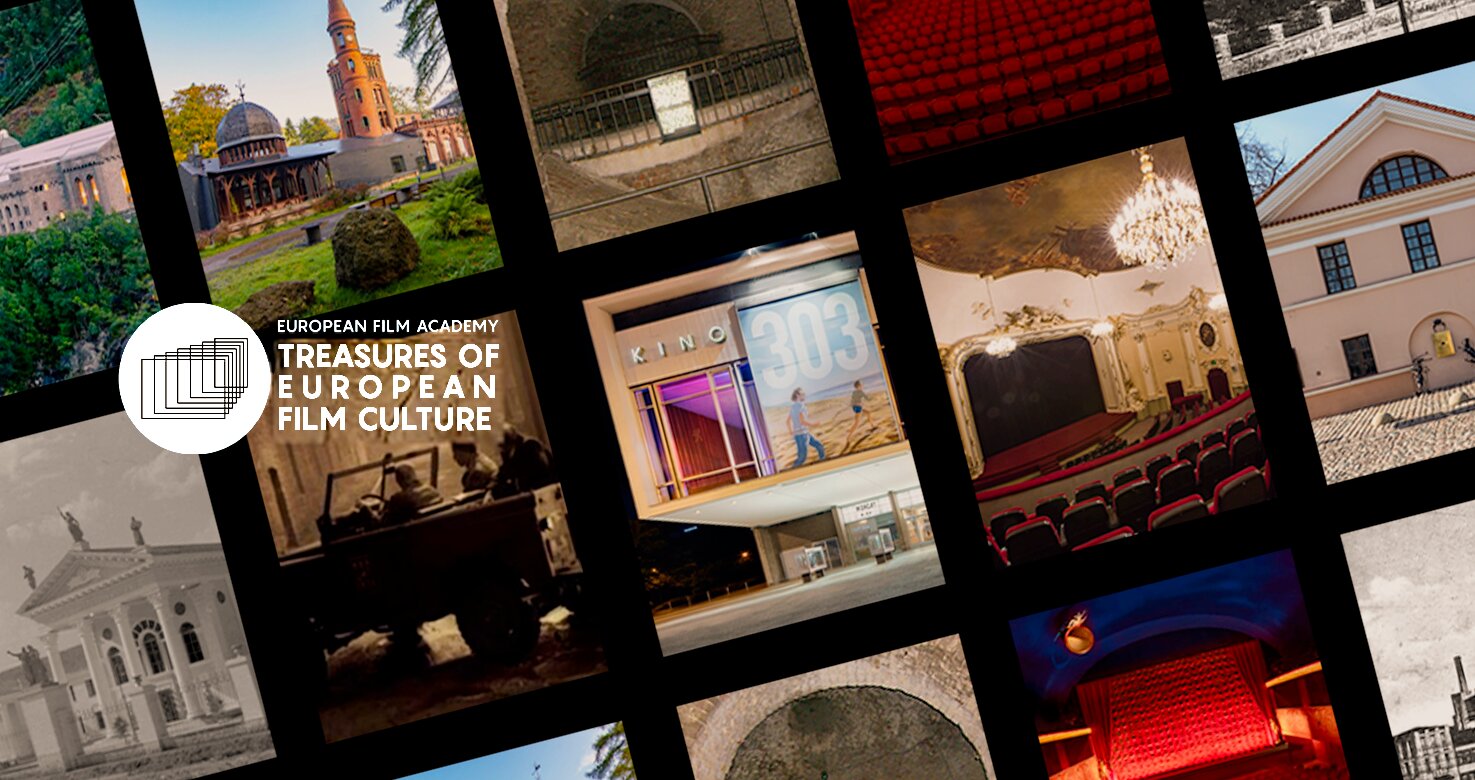
The European Film Academy adds another 10 places to the Treasures of European Film Culture. With these Treasures, the Academy celebrates places of a symbolic nature for European cinema, places of historical value that need to be maintained and protected not just now, but for generations to come.
The new additions include the historical cinemas Bio Skandia in Stockholm, Kino International in Berlin and Splendid Palace in Riga, Kinostudio “Shqipëria e Re” in Tirana and the Dovzhenko Film Studios in Kyiv, shooting locations like Stalker’s Path in Tallinn, the power station in Vemork and the Roman Well in Belgrade as well as Kaunas City Museum where puppet animation film was born and the Krzysztof Kieślowski Archive in Sokołowsko.
The European Film Academy adds these ten places after consulting with a committee of film journalist and curator Ola Salwa (Poland), producer and chair of the European Film Academy’s Board Ada Solomon (Romania), and Heleen Gerritsen (Netherlands), artistic director, Deutsche Kinemathek.
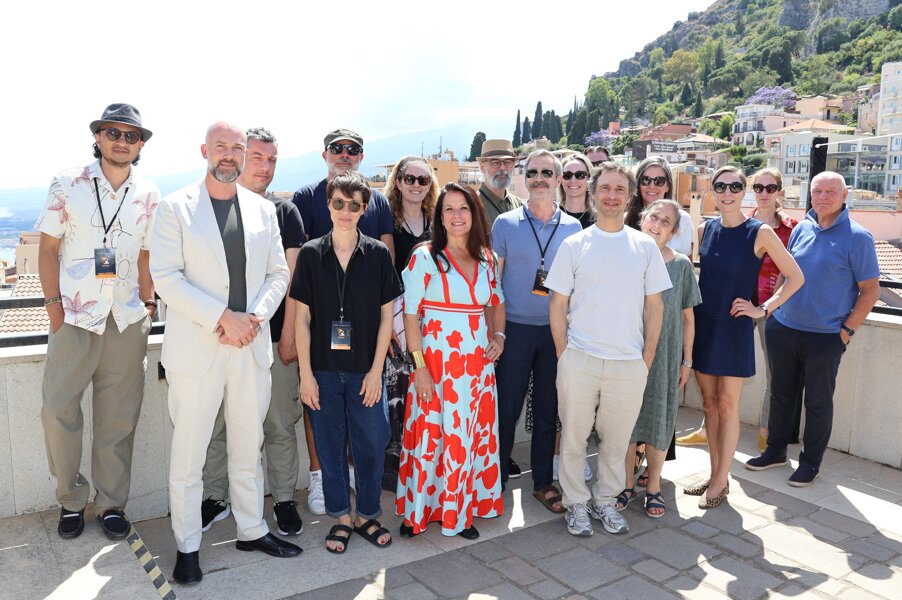
“It is a great joy to honour another ten places as Treasures of European Film Culture. These are great historical places and include film studios, cinemas, shooting locations and a film archive. Three of these new additions are in countries that were previously missing from the map of Treasures: Albania, Estonia, Serbia,” says Pascal Edelmann, Head of European Film Heritage at the European Film Academy. “Once again, we’d like to invite everyone to suggest places the European Film Academy might want to consider as Treasures of European Film Culture.”
The Treasures of European Film Culture are part of the European Film Academy’s expanded film heritage activities, which started in 2022. The European Film Heritage department has since then initiated a network of national film academies, cinematheques and film archives dedicated to the support and promotion of classics from our continent. Part of the heritage activities is also the “In Memoriam“ section of the European Film Awards, which commemorates personalities of European cinema who passed away.
New among the 70 Treasures:
ALBANIA: Kinostudio “Shqipëria e Re” in Tirana. Built between 1950 and 1952, Kinostudio “Shqipëria e Re” in Tirana is the birthplace of Albanian cinema tradition. It has continuously served as the institutional heart of Albania’s moving-image culture, from a state-run film studio to the Albanian National Center of Cinematography.
ESTONIA: Stalker’s Path in Tallinn. The busiest street in Rotermann Quarter is Stalkeri käik (The Stalker’s Path), named to reflect the area’s role in Tarkovsky’s film. It’s here, whilst driving towards the entrance of the Zone, that Stalker, Writer and Professor jump out of their jeep to hide after hearing the sound of one of the guard’s revving motorbikes.
GERMANY: Kino International in Berlin. Kino International is not only one of Berlin’s most important cinemas, it is also one of the architectural crown jewels of the reunited city.
LATVIA: Splendid Palace in Riga. Established in 1923 and designed by architect Frīdrihs Skujiņš, Splendid Palace is one of Northern Europe’s oldest continuously operating cinemas and a unique fusion of Art Nouveau elegance and Neo-Baroque grandeur.
LITHUANIA: Kaunas City Museum is where the first-ever puppet animation film, LUCANUS CERVUS, was made in 1910 by Kaunas-raised early cinema pioneer Władysław Starewicz.
NORWAY: Vemork Power Station in Rjukan. The Vemork Power Station is famous for its role in THE BATTLE FOR HEAVY WATER (1948) and other films.
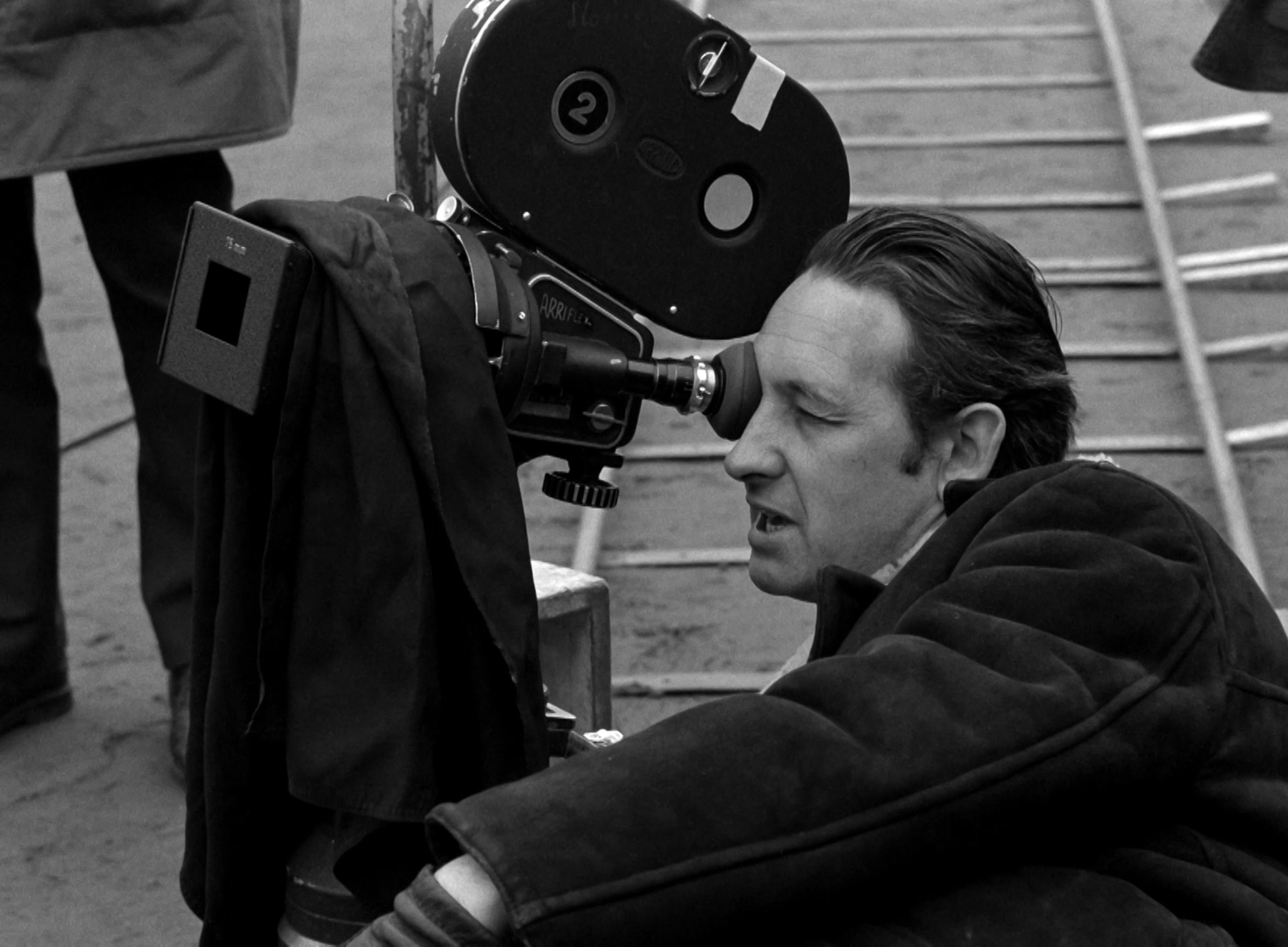
POLAND: Krzysztof Kieślowski Archive in in Sokołowsko, Lower Silesia. The Krzysztof Kieślowski’s Archive is a project run by the In Situ Foundation of Contemporary Art, which aims to acquire, digitize, protect and disseminate archival resources related to the work of one of the most outstanding European directors.
SERBIA: Roman Well in Belgrade. The Roman Well in Belgrade for its role in Dušan Makavejev’s film LOVE AFFAIR OR THE CASE OF THE MISSING SWITCHBOARD OPERATOR (1967) and others.
SWEDEN: Bio Skandia in Stockholm. Inaugurated in 1923 on Drottninggatan in central Stockholm, the Skandia Theatre blends neoclassical elegance with Nordic clarity and wit and is one of Sweden’s most iconic cultural landmarks.
UKRAINE: Dovzhenko Film Studios in Kyiv. Named after Oleksandr Dovzhenko, the Kyiv Film Studio was founded in 1927, making it one of the oldest and most prominent film studios in Ukraine. During its existence, it has created over 1,000 films, including masterpieces of world cinema that played a key role in the emergence of Ukrainian cinema as an independent art form.