_UNDERSCORE
Andrzej Wajda: Speaking (in) Polish
_UNDERSCORE
Andrzej Wajda: Speaking (in) Polish
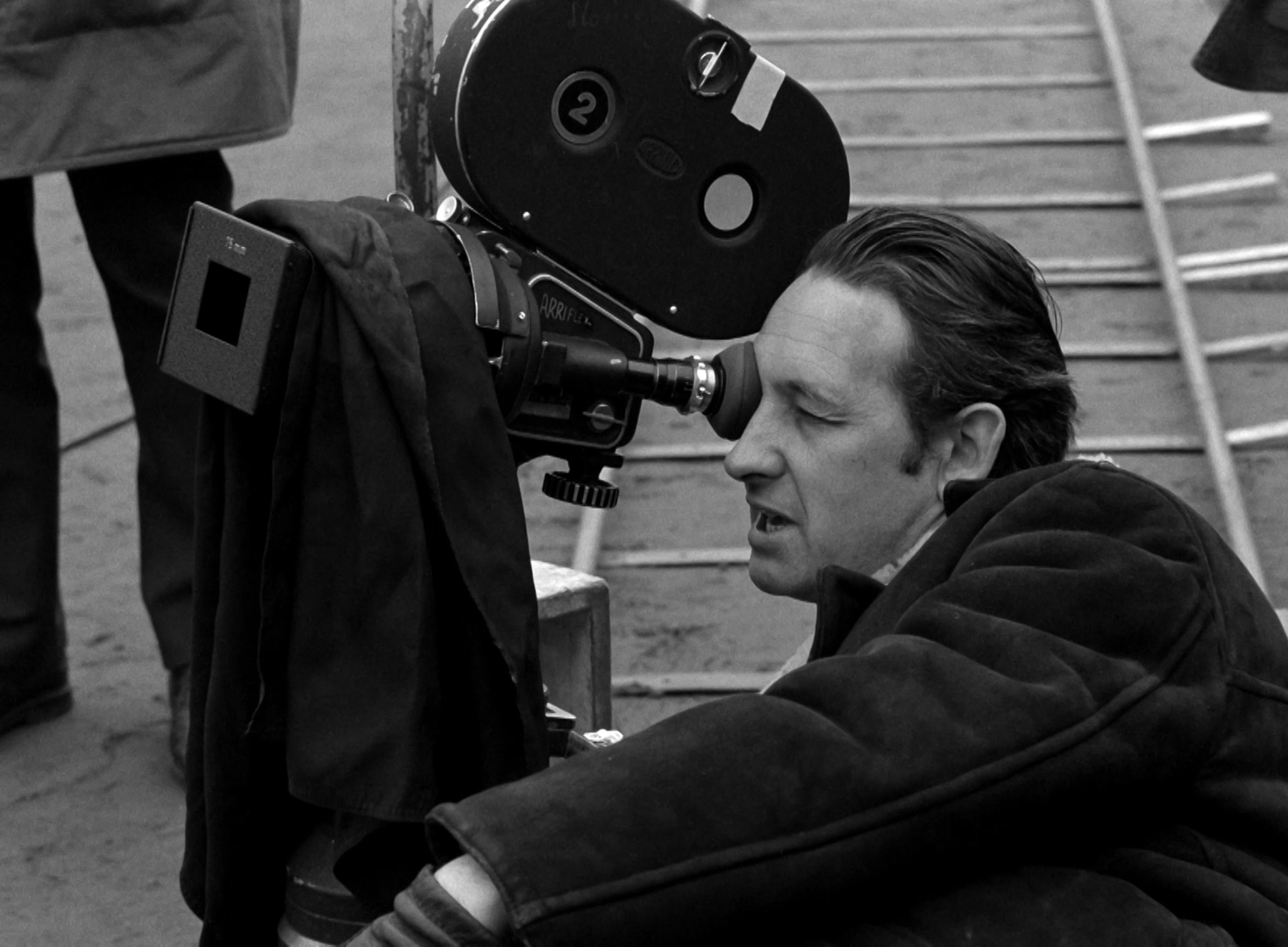
Andrzej Wajda (1926-2016) built his cinema on a steadfast commitment to Poland, choosing to “speak in Polish” while reaching audiences far beyond it. In works such as KANAL and ASHES AND DIAMONDS, he transformed national trauma into universal stories of memory and moral struggle.
by Katarzyna Wajda
“I will speak in Polish, because I want to say what I think – and I always think in Polish.” With these words, in March 2000, Andrzej Wajda (1926–2016) began his speech upon receiving an Award for Lifetime Achievement at the Oscars. In his autobiography „Cinema and the Rest of the World”, published around that time, he reflected on some unrealised projects (in total, there were around a hundred). Among these was an offer he received in Paris, while working on DANTON (1982), from American producers to direct an adaptation of Aleksandr Solzhenitsyn’s novel “The Tanks Know the Truth”, recounting the Soviet suppression of a rebellion in a labour camp. It was an excellent text, and the writer himself wanted Wajda to adapt it for the screen, but the director knew that making a film based on the work of a Soviet dissident would mean forced exile. Offers from Western producers had come his way ever since ASHES AND DIAMONDS (1958) was shown in American cinemas. Still, as he wrote, “I always felt I had a Polish audience behind me, and I deeply believed that by telling stories about Poland I could be not only a European filmmaker, but a global one. (…) And abroad – what would I have to tell them about?” He declined Solzhenitsyn’s proposal – though he always regretted it – and remained, throughout his long and prolific life, first and foremost a Polish filmmaker, the greatest in the country’s history. The centenary of his birth is a fitting moment to revisit what he said in Polish – and how he said it – in ways that resonated across Europe and the world.
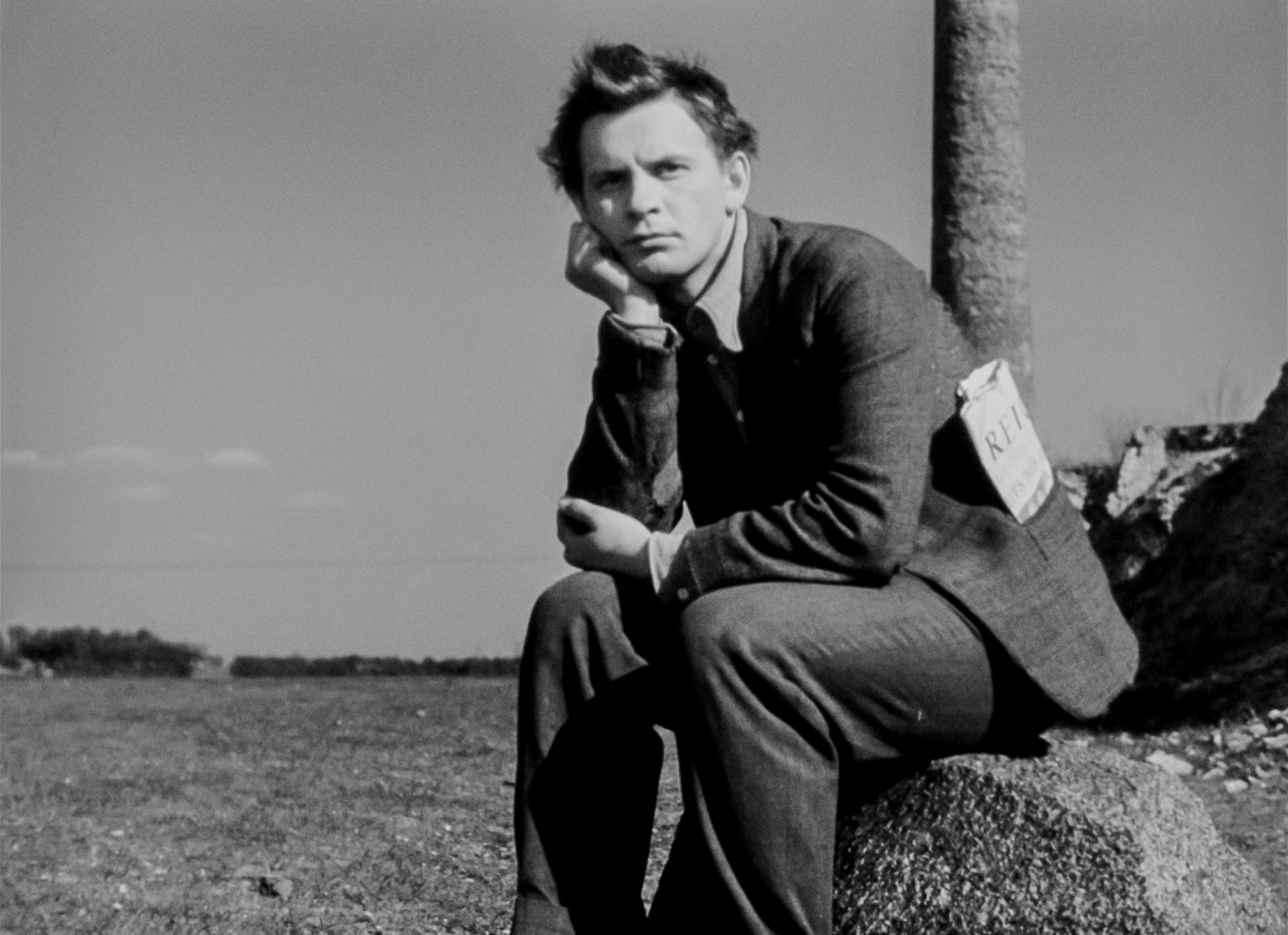
“After the war, we felt that we had survived. That was the first feeling – an odd one (…). And since we had survived, we had to tell the story of those who had not. Because they were better than us – and that is where the heroes of our films came from.” In this context, the title of his debut feature, A GENERATION (1954), is doubly symbolic: it tells the story of young fighters in the leftist underground but also reflects the first generation of graduates from the Łódź Film School, for which Wajda abandoned his studies at the Academy of Fine Arts in Kraków.
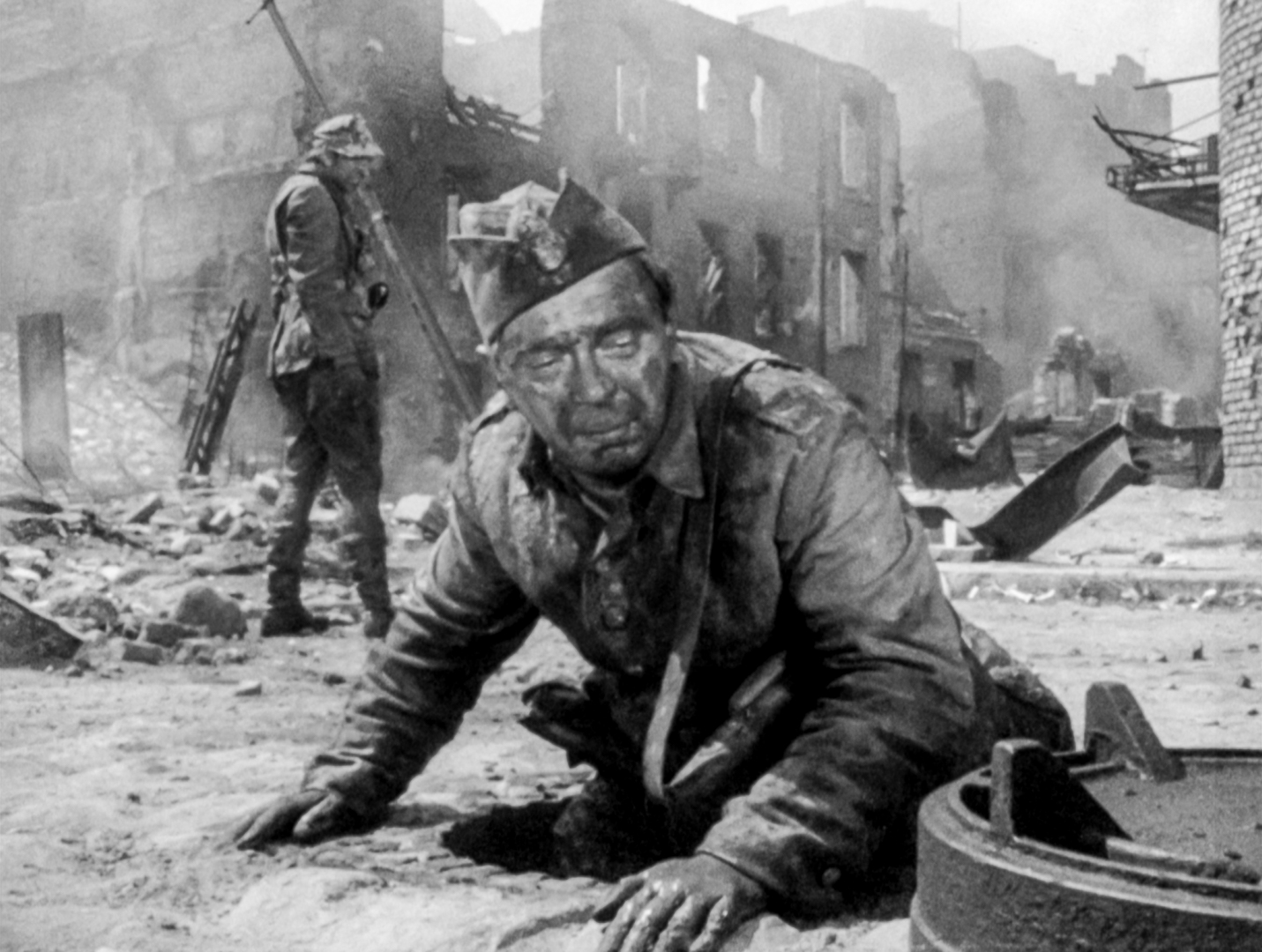
This “voice for the dead” became even more powerful in KANAL (SEWER, 1956), based on Jerzy Stefan Stawiński’s autobiographical story – the first feature film about the Warsaw Uprising of 1944 and a foundational work of the Polish Film School movement. Its harrowing depiction of insurgents dying in mud and darkness was almost too painful for domestic audiences. Yet it reveals something essential to Wajda’s cinema: the expressive power of imagery and his ability to create visual symbols that circumvent censorship. The iconic shot of Stokrotka and Korab framed against the barred canal exit near the Vistula encapsulates what critics call Wajda’s “Aesopian language” – contemporary Polish viewers understood that Soviet forces were waiting on the far bank for the uprising to collapse. At the same time, the image acquires a broader, universal metaphor – a central leitmotif in Wajda’s work: the individual trapped by History. Abroad, KANAL was received differently. At Cannes, where it won the Prix du Jury (the first of many international awards for Wajda, including the Palme d’Or), it was read less as a specifically Polish story and more as a universal vision – often compared to Dante’s “Inferno” or to an existentialist allegory. The film’s success sparked sustained international interest in Polish cinema and established Wajda as the leader of his generation and a filmmaker whose work was a must-watch.
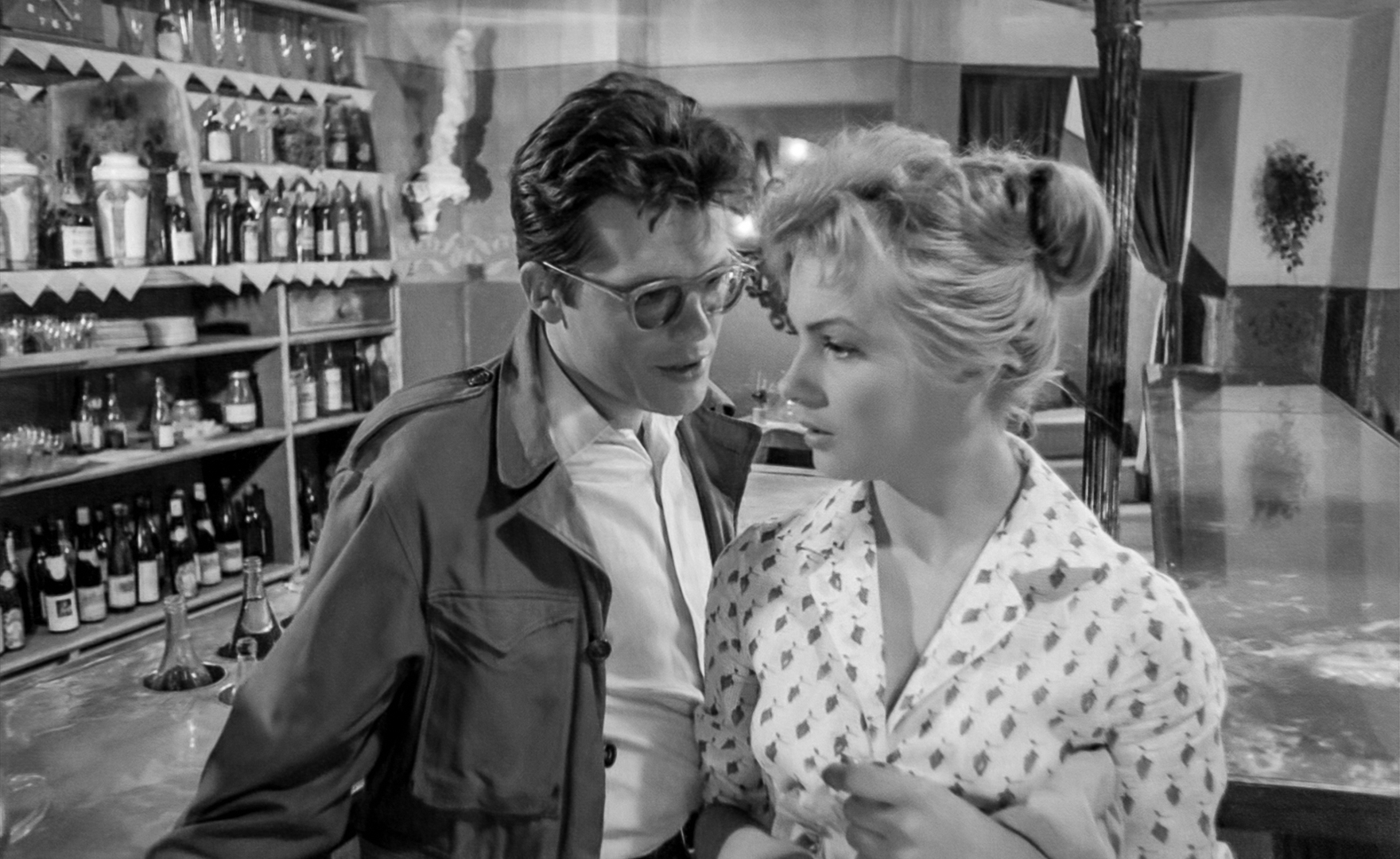
His third feature, ASHES AND DIAMONDS (1958), also explores the war and the tragic Polish fate. Set in May 1945, it uses recent history to reflect on contemporary disillusionment following the political thaw of 1956. Its protagonist, Home Army soldier Maciek Chełmicki, tasked with assassinating a communist official, cries out: “I want to live, just live – nothing more.” This line gave voice to generations weary of sacrifice. Played by Zbigniew Cybulski – wearing his iconic dark sunglasses – who became a first postwar screen idol for young audiences, the character allowed Wajda to connect with viewers beyond the reach of official authority. The actor’s tragic death in 1967 would later inspire Wajda’s self-reflexive EVERYTHING FOR SALE (1968).
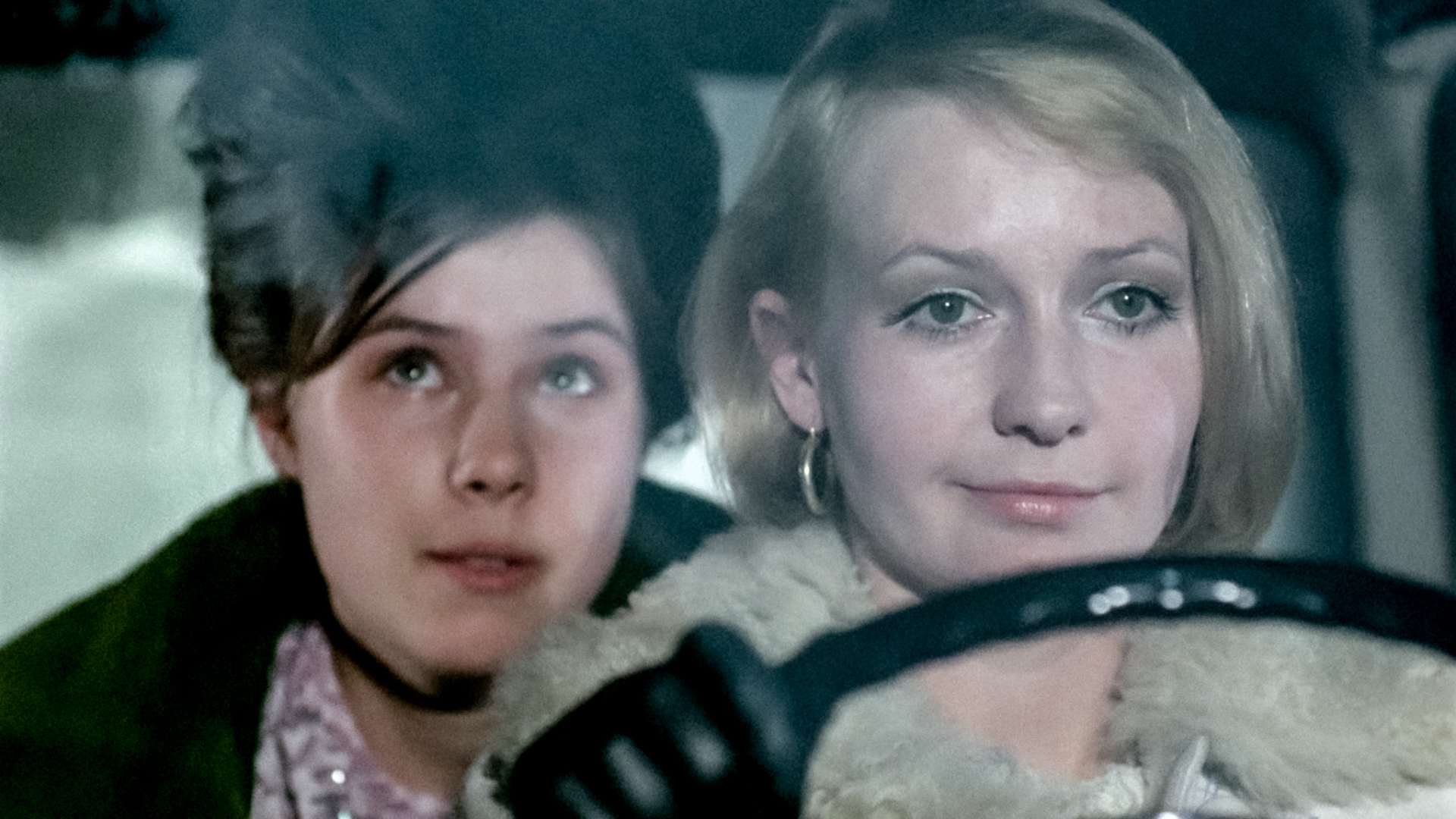
The wartime cycle concluded with LOTNA (1959), which evokes the September 1939 campaign and the myth of Polish cavalry. Wajda – after the contemporary INNOCENT SORCERERS (1960) – returned to war themes in SAMSON (1961), turning to the Jewish experience – a subject little present in the cinema of the Polish Film School – which he would later revisit in KORCZAK (1990) and HOLY WEEK (1995).
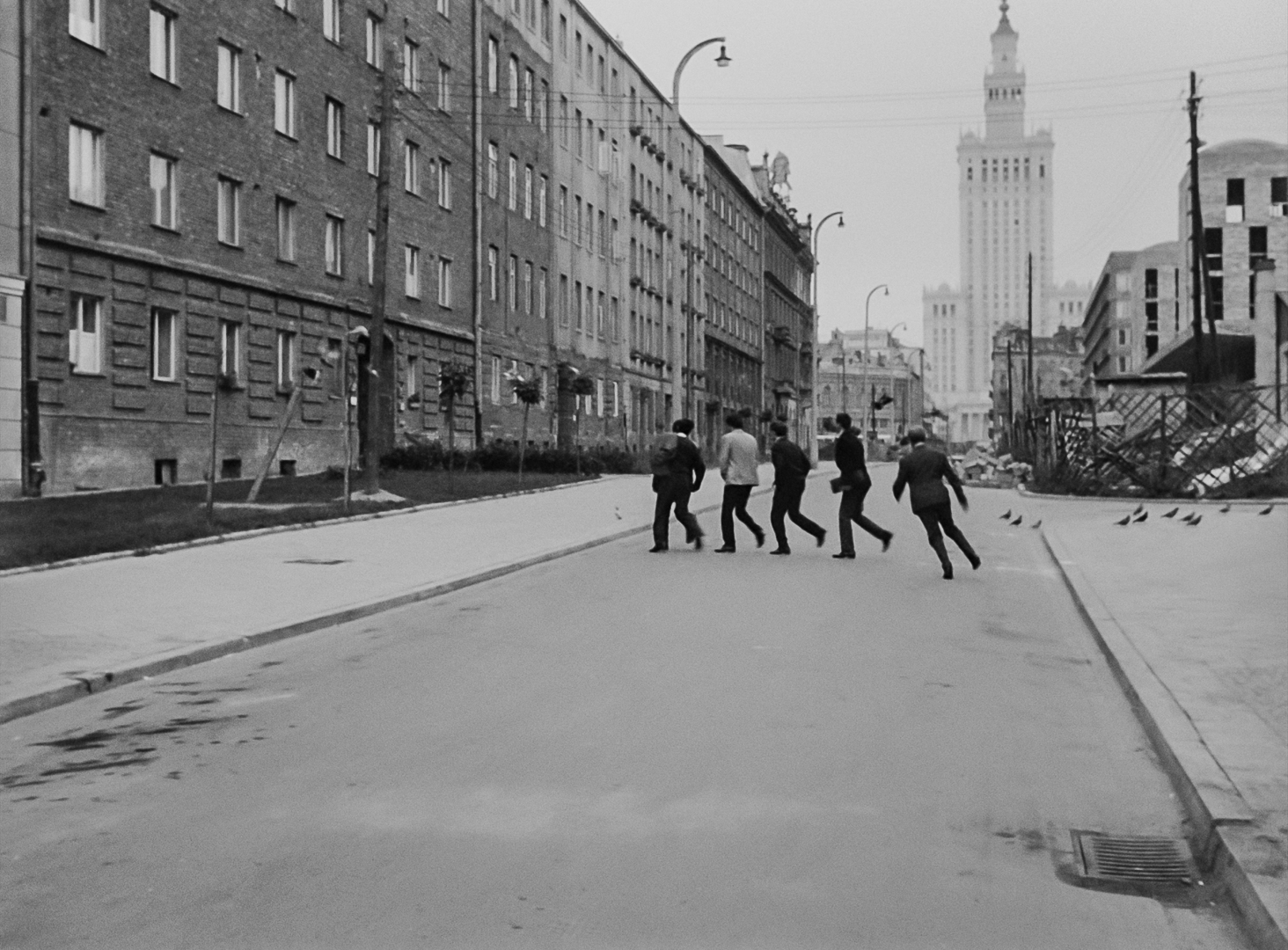
During the 1960s, official expectations demanded optimistic portrayals of the past – images of wartime victory and spectacular battle scenes. Wajda, however, remained committed to the idea that cinema plays a crucial role in recovering collective memory, and continued to offer a critical, often painful reading of Polish history. THE ASHES (1965), based on Stefan Żeromski’s novel about Poland’s involvement in the Napoleonic wars, provoked unprecedented debate, in which enthusiasm was mixed with accusations of defaming the nation. For the first time, Wajda was so strongly denounced as “anti-Polish” – and not for the last time. Similar criticism followed LANDSCAPE AFTER THE BATTLE (1970): although set in a displaced persons camp in the summer of 1945, it served as the director’s clear commentary on the anti-Semitic events of 1968 and the vision of patriotism pushed by nationalists. Even after 1989, Wajda continued to face such accusations – for instance, over Wałęsa: Man of Hope (2013), which was criticised for allegedly distorting historical truth.
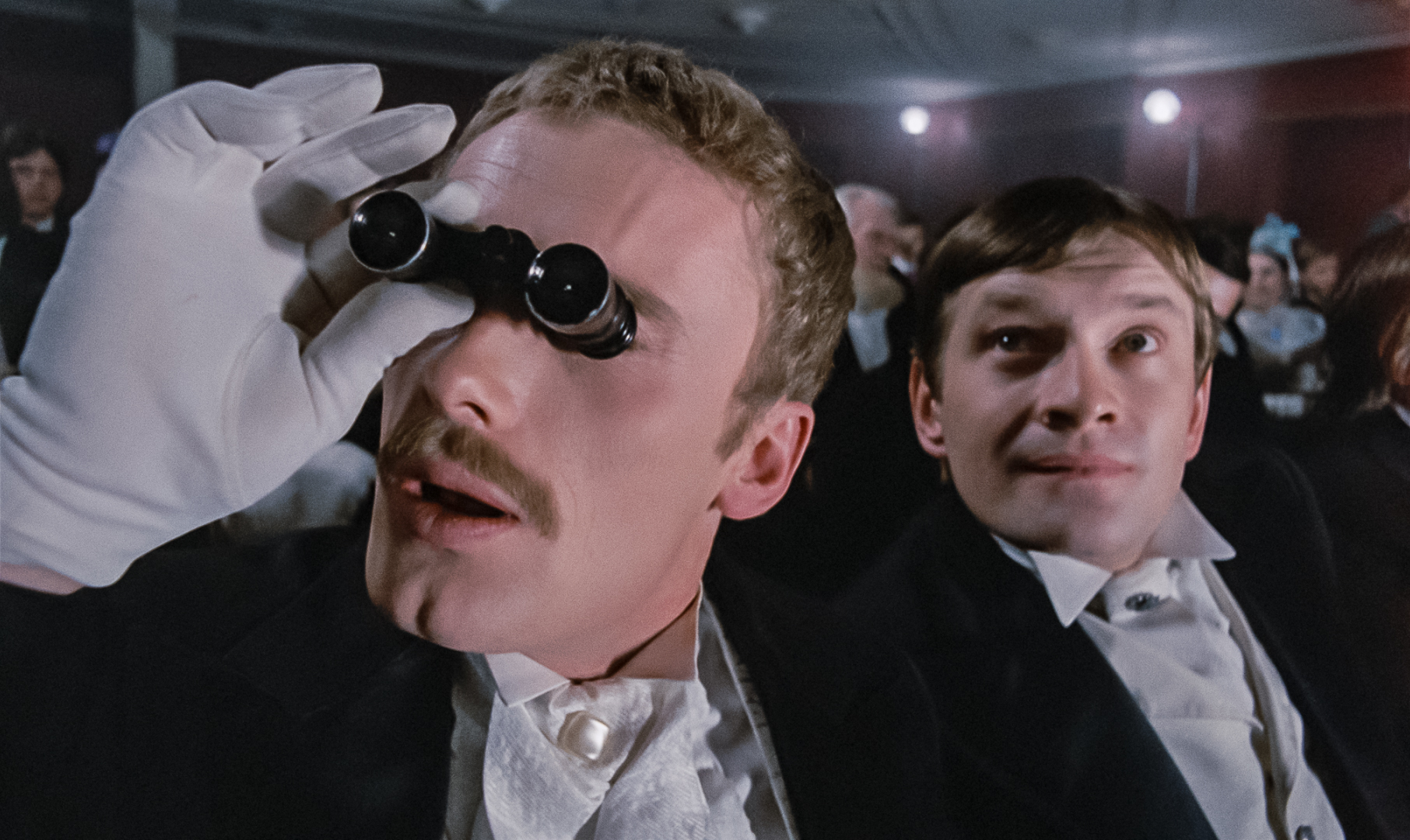
Literature remained a central inspiration in Wajda’s idea of “speaking in Polish,” including works often reduced in school curricula to cultural clichés. His adaptations – such as THE WEDDING (1972) and the widely acclaimed THE PROMISED LAND (1974) – placed Polish literary classics in a new, contemporary context. Of particular significance is his so-called “Iwaszkiewicz triptych”: THE BIRCH WOOD (1970), THE MAIDS OF WILKO (1979), and SWEET RUSH (2009).
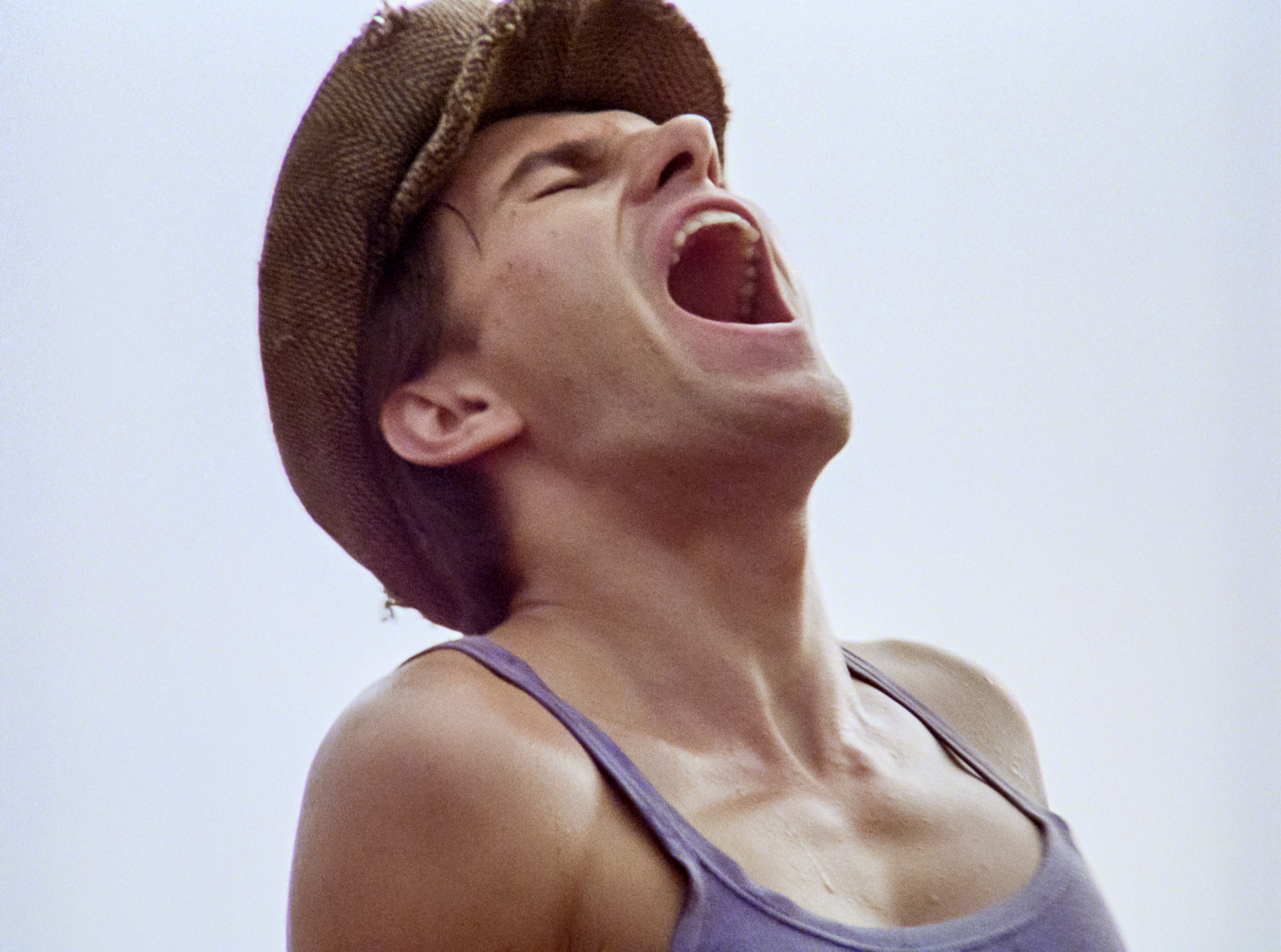
Equally important was his collaboration with outstanding screenwriters, including Aleksander Ścibor-Rylski, author of MAN OF MARBLE, written in 1963 but not filmed until 1976.This story of a young filmmaker, Agnieszka, uncovering the fate of a socialist-era “hero worker” marked the emergence of the Cinema of Moral Anxiety. Made within the “X” Film Unit led by Wajda, it broke the silence surrounding the Stalinist period and contributed to political change in Poland. MAN OF IRON (1981), its direct continuation, captured the spirit of the Solidarity movement, while echoes of that revolutionary ferment can also be found in DANTON.
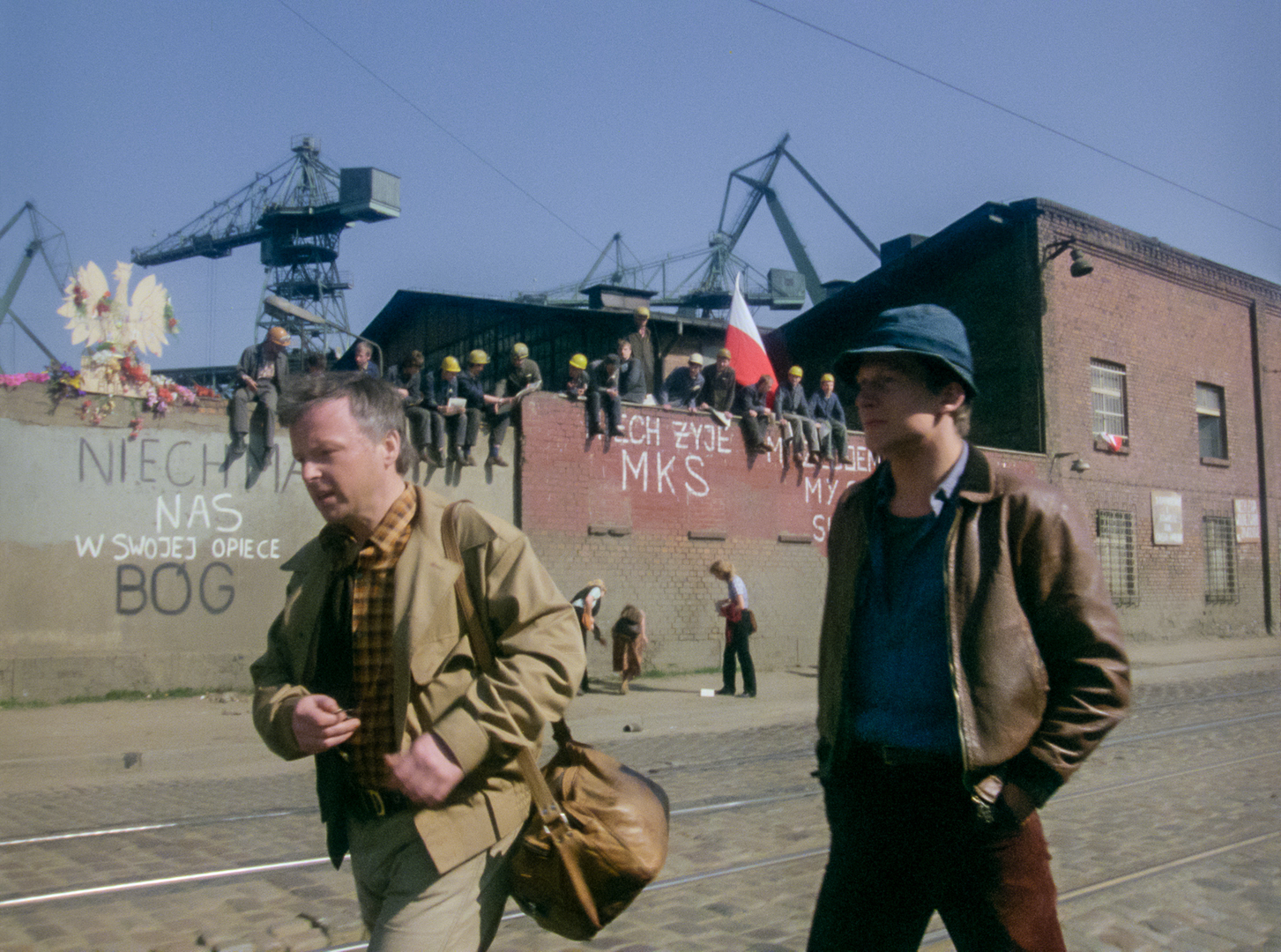
After 1989, Wajda briefly entered politics as a Solidarity senator, though he soon became disillusioned. As a filmmaker, he continued to “speak in Polish,” even as audiences changed and showed little interest in works such as THE RING WITH A CROWNED EAGLE (1992), that alluded to the Polish Film School. He found common ground with the public once again through literature: his adaptation of PAN TADEUSZ (1999), based on Adam Mickiewicz’s national epic, became a major box-office success. With KATYN (2009), the first feature film about the Soviet massacre of Polish officers, he broke another taboo and paid tribute to his father, who was among the victims.
Active until the end of his life – as a filmmaker, civic activist, initiator of cultural projects, a citizen of Poland and Europe. He saw Poland’s membership in the European Union as an opportunity to overcome the burdens of history and regarded the rise of Eurosceptic politics with growing concern. Six months before his death, he noted: “The situation in Poland offers no hope for change. Krystyna [Zachwatowicz, his wife] longs to leave the country. But why go? What would I see there that I haven’t already seen? One must endure here, as in the communist era …”
His final and 40th feature, AFTERIMAGE (2016), dedicated to the persecuted avant-garde painter Władysław Strzemiński, stands as his artistic testament – a reflection on the freedom granted by art, and the price it demands. Written, as always, in Polish.
Author:
Katarzyna Wajda
Katarzyna Wajda
A historian of Polish cinema, academic teacher, educator, and film critic, she graduated in Polish and Film Studies from the Jagiellonian University. She works at the National Film Archive – Audiovisual Institute (FINA), where her work focuses on cataloguing and research of post-war collections, as well as on promoting the archive’s activities. An author and co-author of numerous publications on history and herstory of Polish cinema, she has also co-created exhibitions devoted to the work of Wojciech Jerzy Has and Andrzej Wajda.
Documentary and Feature Film Studios (WFDiF)
Documentary and Feature Film Studios (WFDiF)
The Documentary and Feature Film Studios (WFDiF) at 21 Chełmska Street in Warsaw is a legendary institution which has been producing Polish films for 75 years. Founded in 1949, at the beginning as a centre for the production of documentary films and the Polish Film Chronicle, WFDiF became an important centre for feature film production as well.
WFDiF produced famous Polish documentaries and hundreds of episodes of PKF (Polish Film Chronicle). The most important trends in Polish documentary cinema were born and developed at WFDiF – from the first post-war productions, through the renowned “black series” and the most famous documentary films of the 60s, 70s and 80s, to the documentaries of the time of the transformation.