_UNDERSCORE
A Dynamic Momentum
The Evolution of Cypriot Cinema
_UNDERSCORE
A Dynamic Momentum
The Evolution of Cypriot Cinema

While the most famous Cypriot filmmaker arguably remains Michael Cacoyannis who wrote, directed and produced ZORBA THE GREEK (1964), a lot has happened since the pioneer days of documentaries on the island’s folk culture and rural life. Cypriot cinema was born much later than that of most other countries – in the 1960s – and this edition of the _UNDERSCORE looks at the developments that have shaped it since then – from its relationship to the island’s turbulent history to the successes of the past decade.
By Dr Apostolos G. Kouroupakis
The Republic of Cyprus was established in 1960, at a time when domestic film production was at a very early stage. The size of the country could not sustain either large-scale productions or ambitious cinematic projects. Nevertheless, there were efforts toward film production, with RIK (Cyprus Broadcasting Corporation), that is, the national TV & Radio station, serving as the principal financier and almost the sole producer.
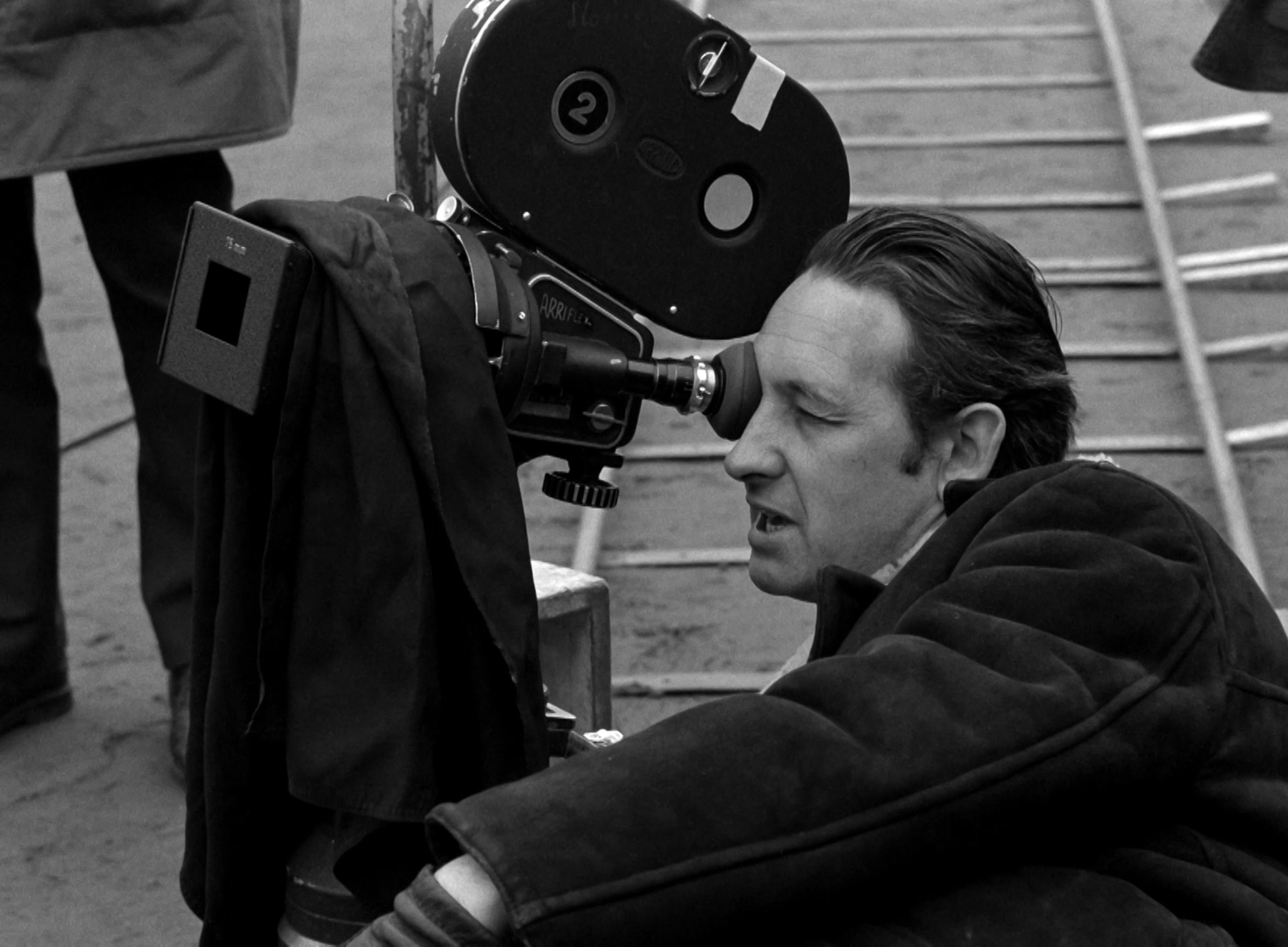
The thematic areas explored by the pioneers of Cypriot cinema — inasmuch as one can speak of a genuine Cypriot cinema or even of cinema with artistic aspirations during those years — were mainly focused on folk culture and the depiction of rural life on the island, or on significant historical moments and personalities of the Greek Cypriot community, primarily in the form of documentaries. There were some attempts to address social issues, most notably the documentary DEAF AND DUMB (Epikinonia) by Giorgos Lanitis, produced by RIK in 1970, which then went on to win first prize as Best Documentary Short Film at the Thessaloniki Film Festival.

The Turkish invasion of Cyprus in July 1974, which followed a coup against the legally elected president Archbishop Makarios, constituted a crucial turning point for the local film production, as the trauma of the war and its consequences would monopolise the thematic pre-occupations of the country’s cinematic output for decades. Indeed, the limited number of Cypriot filmmakers as well as the country’s sole state funding body, namely RIK, would focus their — mostly documentary — films almost entirely on the trauma of displacement and division, the missing persons, and the cities, towns, and villages occupied by the Turkish army. This condition similarly affected other forms of art and had a decisive impact on the country’s cultural production.
The establishment of the Cinema Advisory Committee (CAC) in 1994 set Cypriot cinema on a new course, with the sector developing steadily and progressively ever since, both in terms of production (stylistically and technically) and in terms of success at international festivals and events. A characteristic example is Andreas Pantzis’s THE SLAUGHTER OF THE COCK (1996), a landmark film for Cypriot cinematography, as it was the first film to premier at the Berlin International Film Festival before winning Best Film at the 37th Thessaloniki Film Festival.
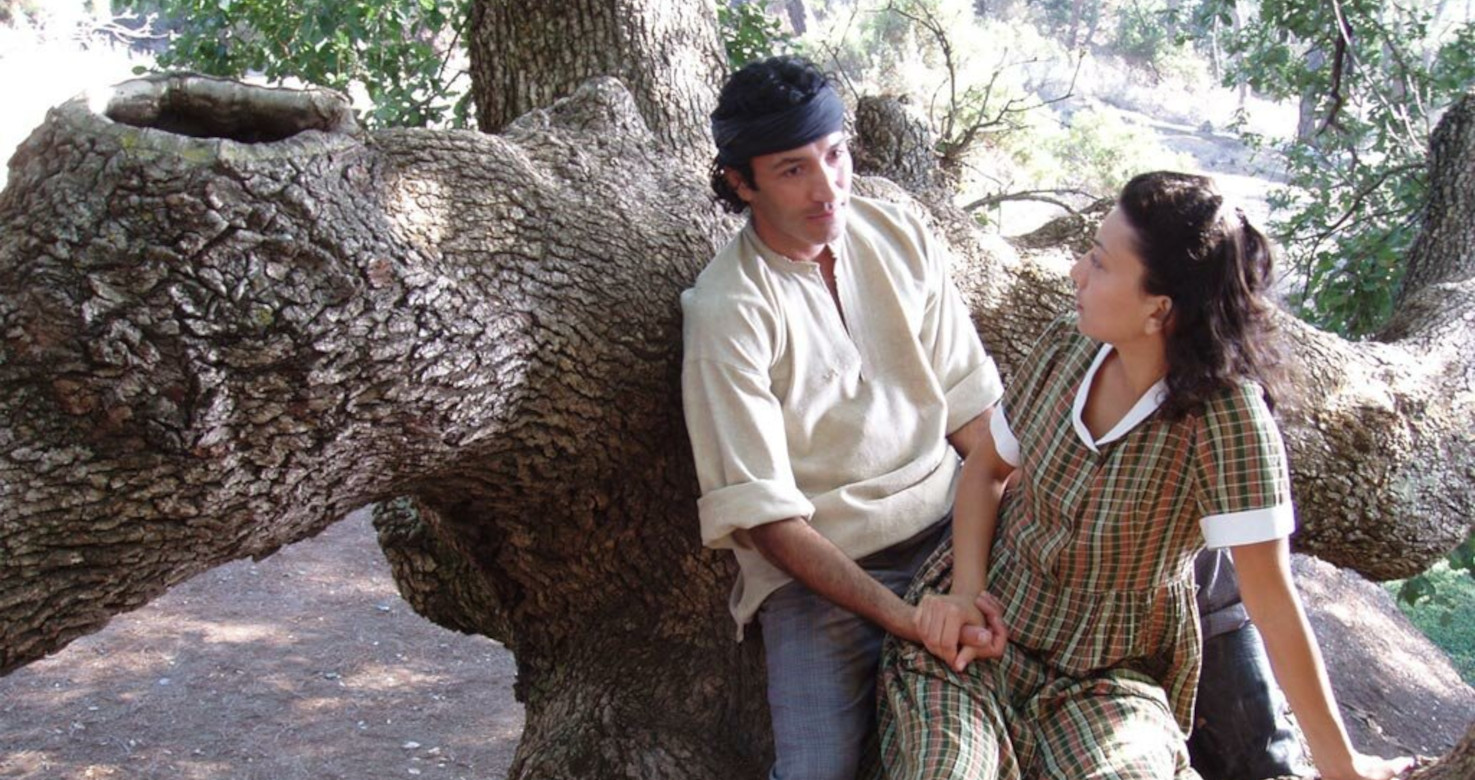
Over the years and into the new millennium, the Cyprus issue was beginning to concern Greek Cypriot filmmakers in more subtle ways, including efforts to reach out to the Turkish Cypriot community from which they were cut out for over 30 years. AKAMAS (2006) by Panikos Chrysanthou, which was the first Cypriot film to participate in the Venice Film Festival and was awarded Best Film at the Los Angeles Greek Film Festival in 2007, was indeed such an effort to open up historical dialogue and create platforms for reconciliation.
The second decade of the 21st century finds Cypriot film production at a crossroads. The Cypriot filmmakers’ thematic explorations attempt to balance between new themes unrelated to the political issue and stories inspired by the events of 1974. For example, Elias Demetriou’s FISH N CHIPS (2011) deals with the desire of a Cypriot migrant to return home. A few years later, Panikos Chrysanthou’s THE STORY OF THE GREEN LINE (2016) features two Cypriot soldiers — one Greek Cypriot and one Turkish Cypriot — serving their military duty on opposite sides of the Buffer Zone (also known to locals as the Green Line). Adonis Florides’s ROSEMARIE (2017), which was awarded Best Greek Film at the 58th Thessaloniki International Film Festival, follows an entirely different trajectory, mixing domestic drama with elements from comedy and thriller.
Over the last decade, Cypriot film production in all its forms—feature-length films, short films, and documentaries — has demonstrated impressive success, also because of increased state funding, although the need for further support remains a pressing issue given the sector’s growth at all levels. Filmmakers have started exploring new terrains thematically, stylistically and in terms of genre. Social issues, gender, sexuality, human rights, political corruption, migration and the refugee crisis, the rise of nationalism and fundamentalism all emerge as new pre-occupations for a growing number of Cypriot directors and producers. Clearly, the major political problem of Cyprus and its consequences for society as a whole is neither sidelined nor ignored but rather addressed creatively through new approaches.
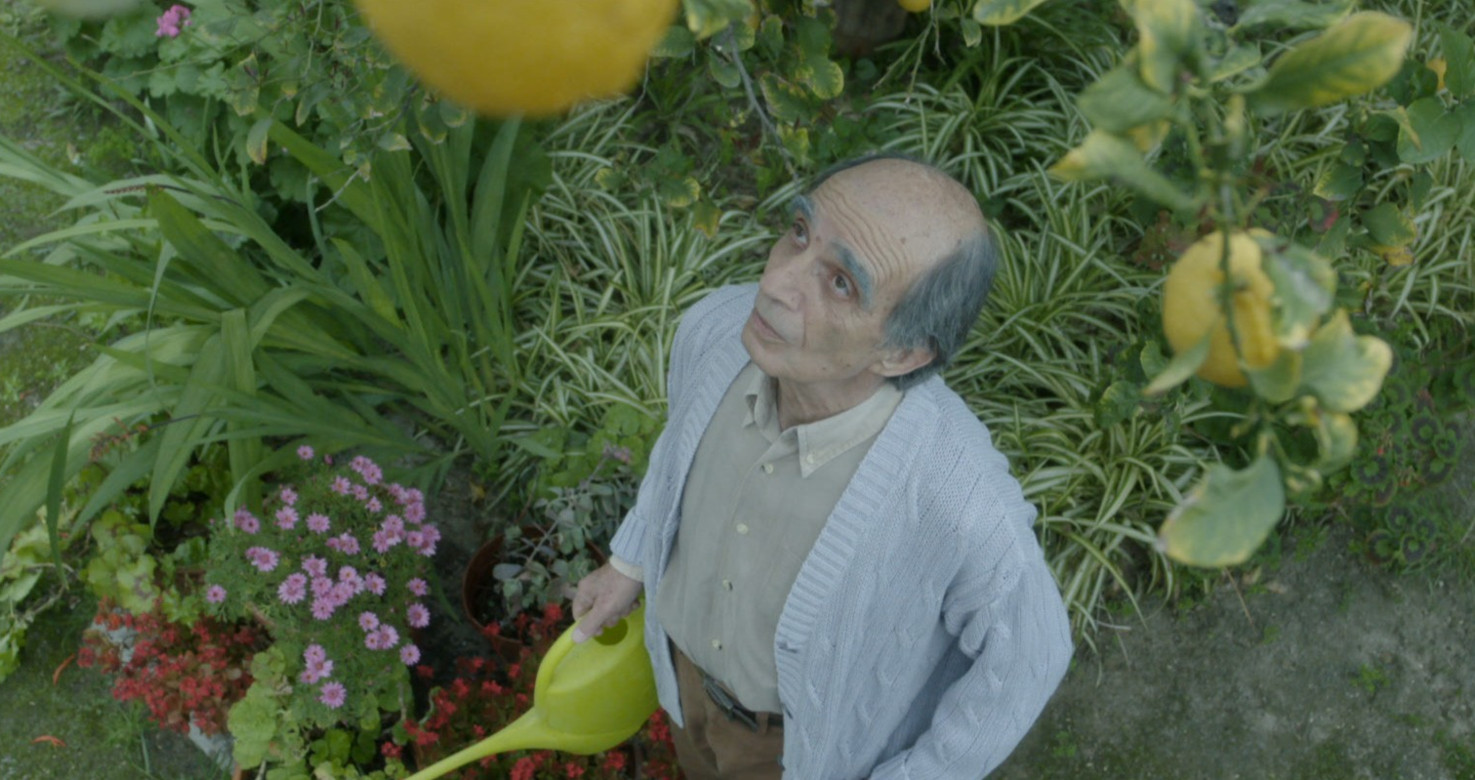
Within such a renewal of themes and genres, one can include films such as SENIOR CITIZEN (2020) by Marinos Kartikkis, which received several distinctions at international festivals, as well as his earlier works FAMILY MEMBER (2015) and BY MIRACLE (2010), films that place the individual fore and centre, exploring humanity, its merits and weaknesses, with care and tender. Films like DOG (2021) by Yianna Americanou, Tonia Mishiali’s PAUSE (2018) and her follow-up short film DAPHNE (2022), both highly awarded at major festivals around the world, as well as SMARAGDA (2024) by Emilios Avraam, focus on gender issues, testing the limits of masculinity and femininity within the strict patriarchal structures of Cypriot society. Kyros Papavassiliou’s philosophical fantasy EMBRYO, LARVA, BUTTERFLY (2023), which had its world premiere in the competition section of Karlovy Vary, demonstrates contemporary Cypriot cinema’s break into new thematic and generic directions. Award winning shorts, such as Savvas Stavrou’s BUFFER ZONE, Alexandra Matheou’s A SUMMER PLACE, Kamil Saldun & Sholeh Zahraei’s THE HUNT, and Marios Mettis’s TSIKITIGKLON THE FAIRY AND THE MAN explore sexuality from various vantage points often at the backdrop of the island’s division and political history.

Cypriot cinema’s dialectical relationship to the island’s turbulent history is testimony to how historical challenges are experienced in the present, since memory, by reviving events, prevents the past from becoming a distant historical past (Spyros L. Vrettos, A Certain Solution. [3+1 Essays on C. P. Cavafy]). Perhaps, the most characteristic examples of this relationship are the feature films SMUGGLING HENDRIX (2018) by Marios Piperides, and AFRICA STAR (2024) by Adonis Florides. For her performance in the latter, the film’s protagonist Marina Makri was selected as one of the 10 European Shooting Stars, during the Berlin International Film Festival in 2025.
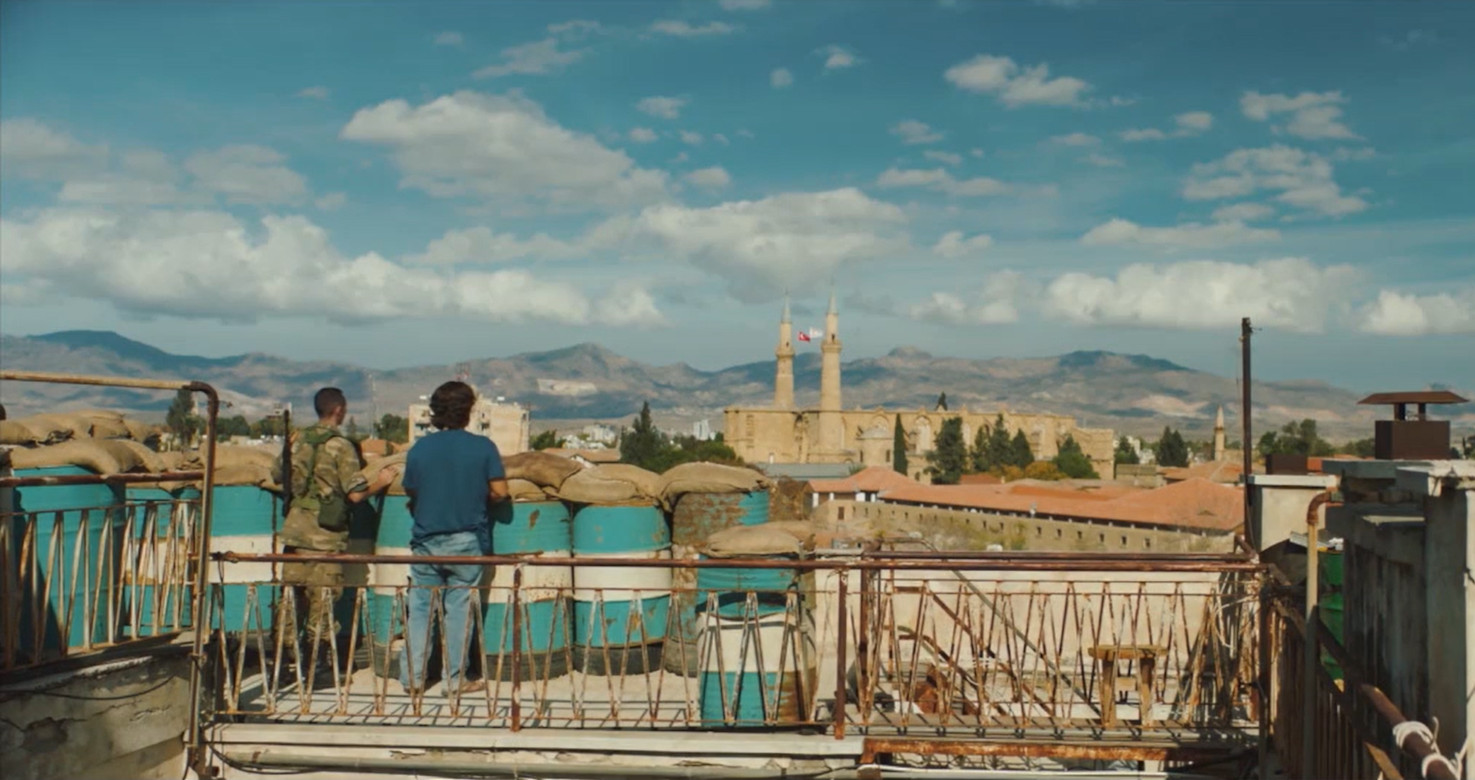
Well into the 2020s, international co-productions with other European countries and the US dominate the financing structures of the local film industry, widening both the notion as well as the outreach of Cypriot cinema. Notable examples are Stellana Kliris’s FIND ME FALLING (2024), the first Cypriot film to be acquired by Netflix, as well as Stelios Kammitsis’s THE MAN WITH THE ANSWERS (2021). International co-productions have not only put Cyprus on the international cinematic map but also contributed to the domestic film ecosystem, allowing Cypriot professionals of all specialties to gain international experience on multiple levels.
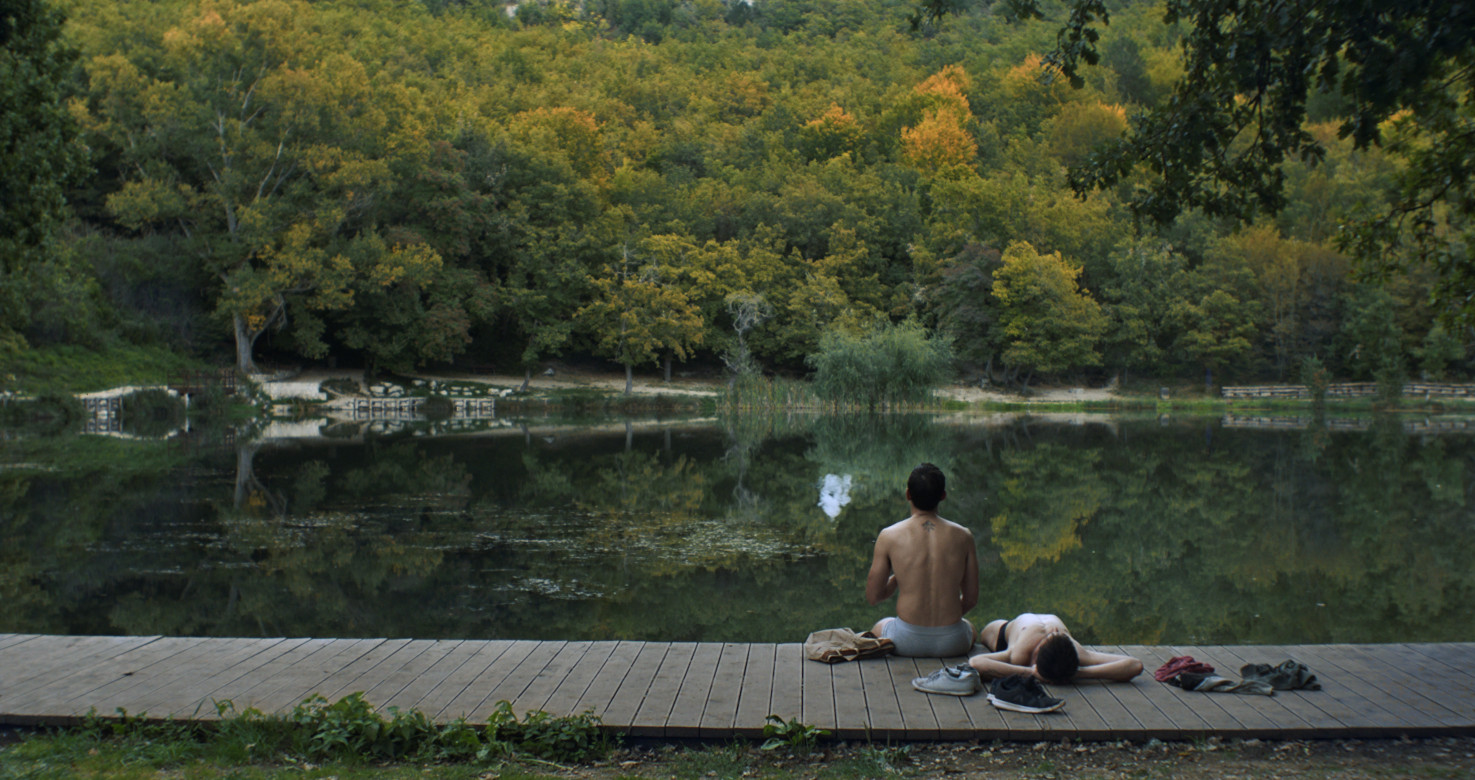
Over the past decade, Cypriot cinema has achieved numerous successes, demonstrating a dynamic momentum for the sector. Cypriot cinema has established its place and identity, both domestically and internationally. The most recent successes — HOLD ONTO ME (2026) by Myrsini Aristeidou, which received the historic distinction of the Audience Award at the Sundance Film Festival, and Minos Papas’s MOTHERWITCH (2026), which premiered at Rotterdam, serve as guarantees of a hopeful future, opening up a fertile field of creativity ahead. With its wide range of themes and genres, from social and political dramas to cinemas of magical realism and fantasy, contemporary Cypriot cinema has managed to transcend the local, renegotiate the trauma of the island’s turbulent history and allow itself to open up to global audiences.
Author:
Dr Apostolos G. Kouroupakis
Dr Apostolos G. Kouroupakis
Dr Apostolos G. Kouroupakis was born in Chania, Crete, in 1979. He is Culture Editor in Chief for Kathimerini of Cyprus newspaper. He is a Member of the Cyprus’ Cinema Advisory Committee. He has studied History and Paleography in Trieste, Italy and Corfu, Greece. He holds a Doctorate (Ph. D.) in Medieval History from the University of Cyprus.