
GREECE: Panorama of European Cinema Festival
GREECE: Panorama of European Cinema Festival
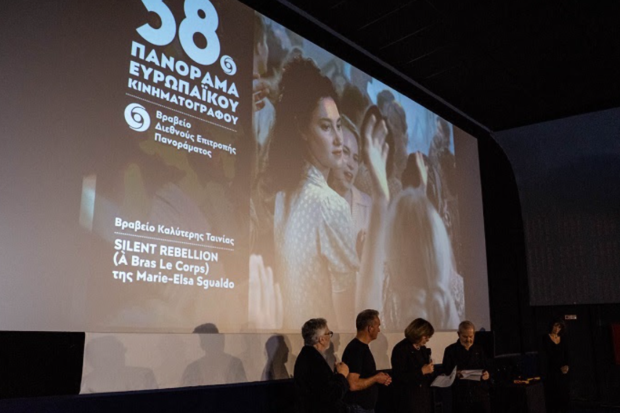
The Panorama of European Cinema is one of the most significant and longest-running film festivals in Athens, Greece. Founded in 1988, the festival has been a consistent cultural pillar, the only one dedicated to showcasing diverse, high-quality European (always including Greek) films to Greek audiences.
The festival was established in 1988 with the aim of promoting European cinematic culture, fostering connections between European filmmakers, and offering local audiences an opportunity to discover works that might otherwise remain outside the mainstream commercial distribution network. Throughout its history, the festival has been directed by the renowned film critic Ninos Feneck Mikelides, whose vision has shaped its character as a platform for both established auteurs and emerging talent. Throughout the decades, it has maintained a commitment to artistic excellence, often serving as a bridge between Greek cinema and the broader European film industry.
By continuing its operations every year since 1988, the festival has built a loyal audience and established itself as a landmark event in the Athenian cultural calendar. It focuses on presenting a wide array of genres, from fiction features and documentaries to experimental works, often accompanied by retrospectives, tributes to legendary directors, masterclasses, exhibitions and collogues (in co-operation with FIPRESCI). Among its personalities that have been honored with the Panorama’s Achievement Award were Michelangelo Antonioni, Harold Pinter, Emir Kusturica, Francis Ford Coppola, Ken Loach, Terry Gilliam, Karel Reisz, Arthur Penn, Max von Sydow, Agnes Varda, Abbas Kiarostami, Ettore Scola, Agneska Holland and many others.
The festival has reached its 39th birthday, continuing its mission despite the changing demands of the international festival circuit and the challenges of the modern cinematic landscape. It remains a vital institution, reflecting the evolution of European stories, politics, and aesthetics over the past four decades, and continues to strive to adapt and remain relevant in an era of digital streaming and globalization.