_UNDERSCORE
The Female Age
Ageing Women in 21st Century Eastern European Cinema
_UNDERSCORE
The Female Age
Ageing Women in 21st Century Eastern European Cinema
by Dr. Asja Makarević, Drd. Boglárka Angéla Farkas and Dr. Andrea Virginás
In her seminal 2006 essay “Performing Age, Performing Gender,” Kathleen Woodward described six types of age:
Chronological age refers to the number of years a person has lived. Biological or functional age refers to the state of a person’s physical capacities. (…) Social age refers to the meanings that a society accords to different categories of age. (…) Like social age, cultural age refers to the meanings or values that a culture assigns to different people in terms of age, but here status and power are crucial. (…) Psychological age refers to a person’s state of mind in terms of age. (…) Finally, by statistical age I mean predictions concerning age based on large data sets. (2006, 183, emphasis in the original)
All these forms of age have been undergoing profound change(s). Human beings today have the prospect of attaining the highest values in terms of the most objective age-forms, chronological and statistical age, since such measures are taken. With chronological age possibilities and/or life expectancy, and statistical age both showing increase in the recent past, but also as projected in the (near) future (life expectancy sitting at an EU-average of 81.4 years for babies born in 2023 within the Union [Eurostat 2025]), state institutions and NGOs have been engaged in trying to understand the consequences of these processes for the other types of age defined by Woodward.
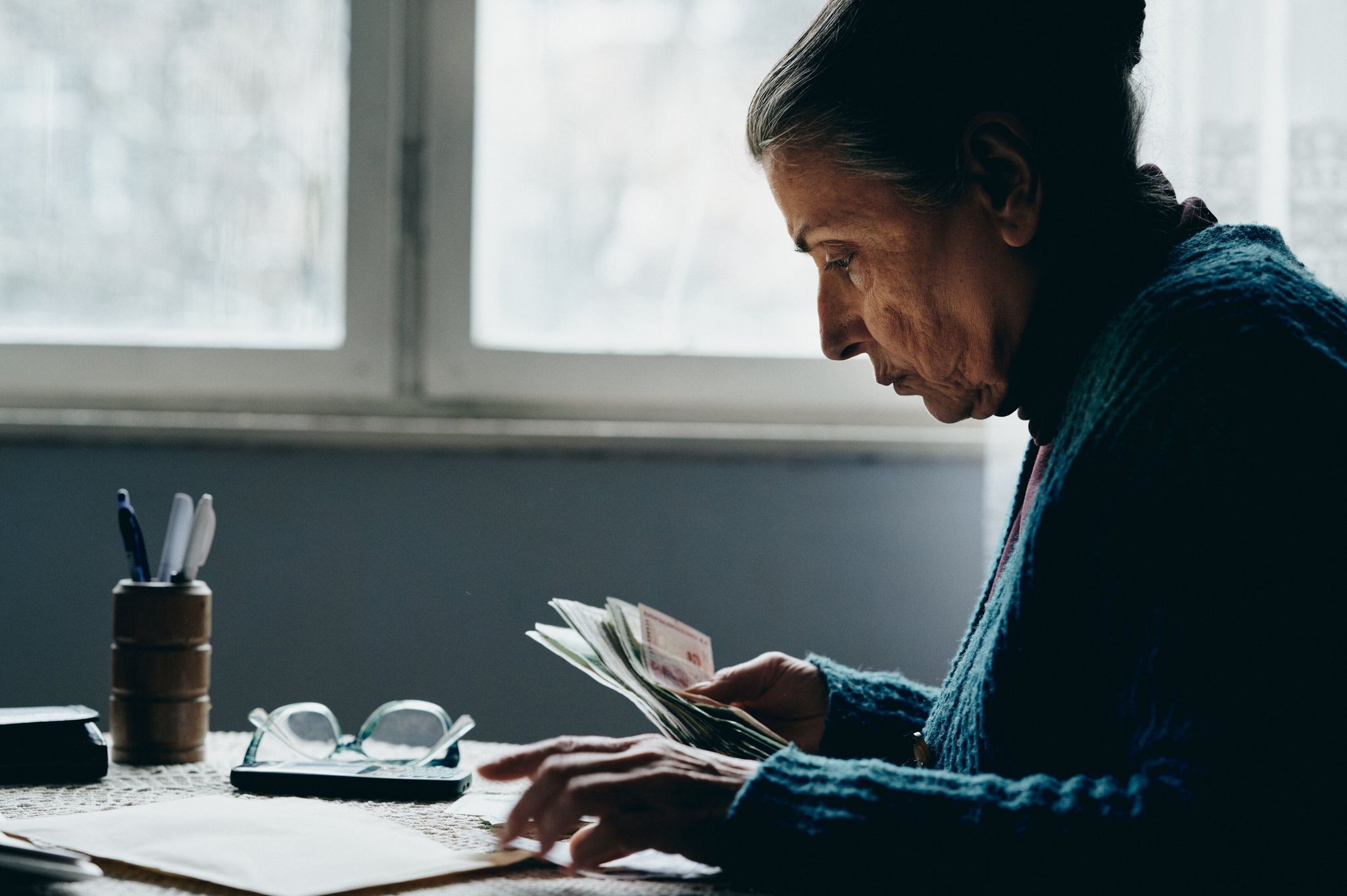
A phenomenon indeed experienced by all – both human and non-human, organic and non-organic – ageing appears to be taking a definitive role in the playout of the 21st century: reshaping families, policies, economies, social service systems, and cultural products. According to the United Nations, “[b]y 2080, people aged 65 and over will outnumber children under 18” (United Nations n.d.) in the global context, with (population) ageing being arguably the most pertinent issue in Europe, which is often regarded as the ‘greying continent’. A 2025 policy brief on Europe’s ageing challenges further emphasizes that “[b]etween 2023 and 2050, Eastern and Southern EU countries will face the sharpest declines because of both natural population decrease and limited net inward migration,” while “Northern and Western countries could see population growth driven by higher migration” (Pinkus and Ruer 2025, 1). This geographical divide – at least partially connected to historical divides, including that of the Iron Curtain – across European countries poses radically different challenges to the Western and Northern parts of the continent, possibly overwhelmed by outward population growth, and to the Eastern and Southern parts, threatened by mass depopulation, the shrinkage of working-age adults, and the overload of social service systems.
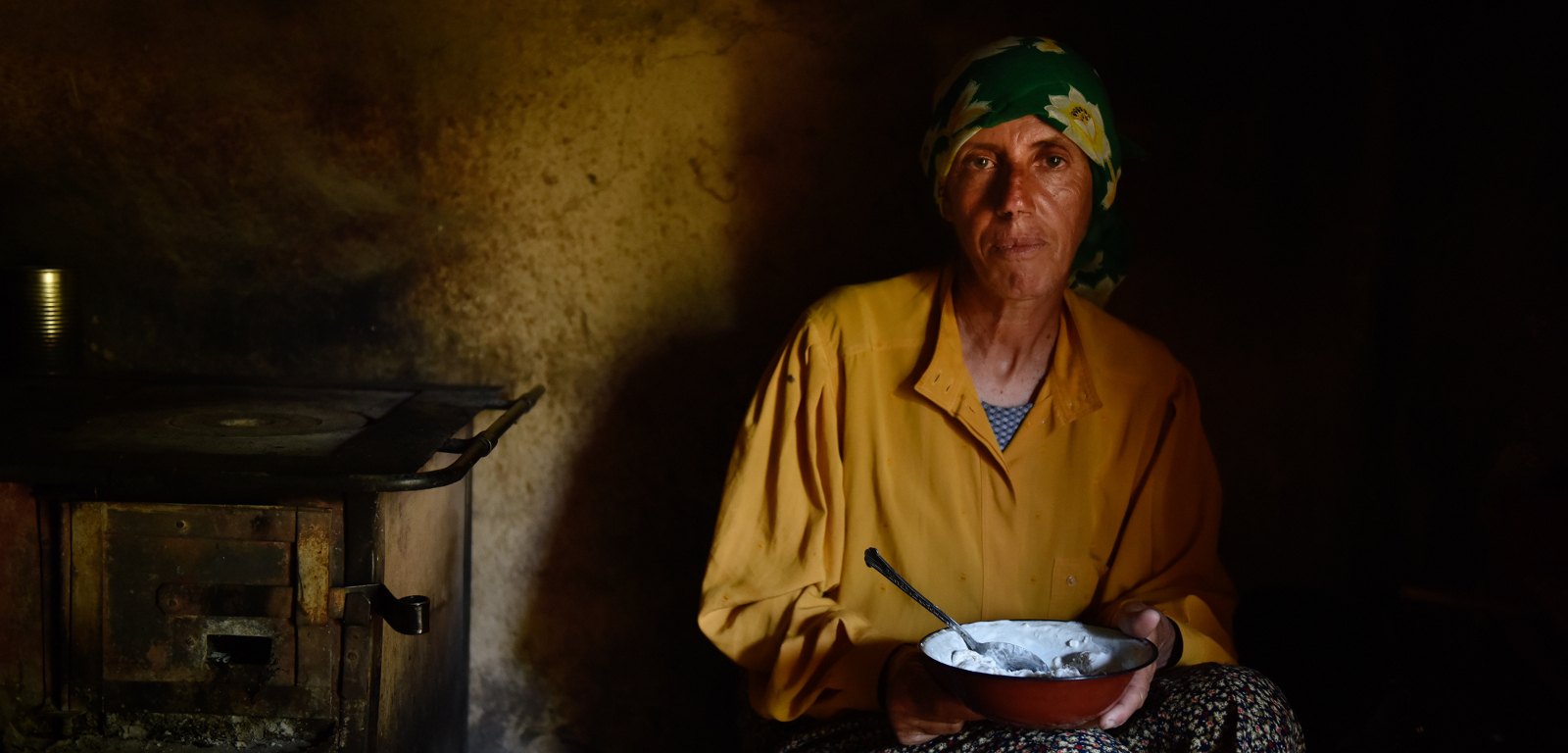
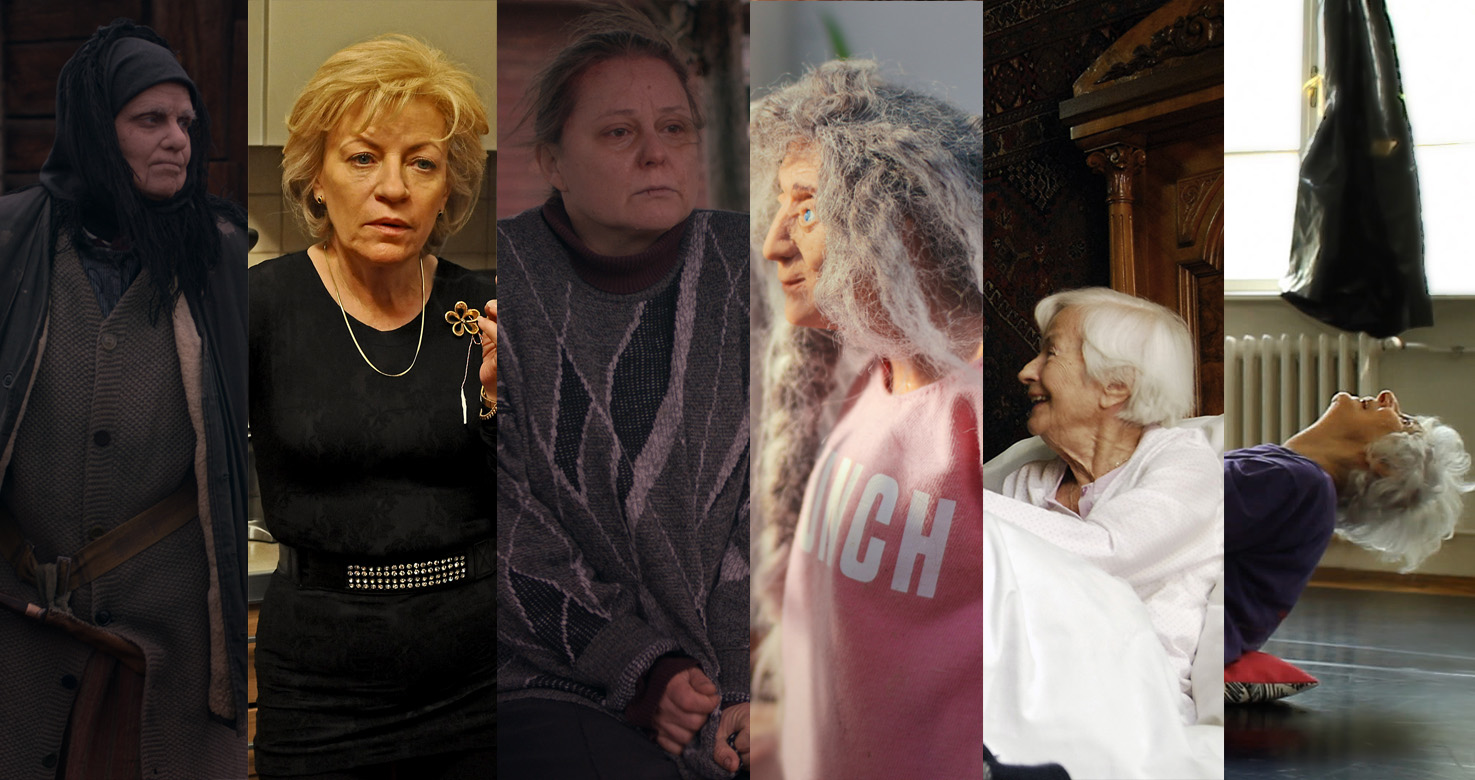
Cinema is one such culturally prestigious institution in which these changes can be observed on multiple levels. Josephine Dolan’s impactful 2017 monograph explored the “triple silvering” articulated through the ageing of the stars, the ageing of audiences, and the (topic of) ageing palpable in the filmic narratives. Indeed, in the last decade(s), “scholarly attention to the perceived ‘greying’ of mainstream cinema has gathered momentum” (Jermyn 2014, 108). Itself a greying medium, cinema persists in an overall greying social context, and on occasions collaborates with youth cultures in order to survive. Cinema battles with gender gaps and non/offers ageing roles above 50, being profoundly affected by its own ‘greying’; but it is also capable of culturally representing and redefining what ageing means. Film may address the ageing (female) subject to articulate a social critique – be that the retired, scammed language teacher in Bulgarian BLAGA’S LESSONS or the single beekeeper outsmarted by greedy fellows in Macedonian HONEYLAND, both creations highlighting the failures of the post-transitional era and the inhumanity of a capitalist society; or the ‘petro-menopausal’ (Waade and Leyda 2022) ‘eco-warrior’ females in Polish SPOOR and Ukrainian THE GATEWAY, who connect the topic of ageing with ecocriticism (Virginás 2025, 85-102). From the standpoint of national cinemas, the ageing (female) subject may be the shareholder of collective history and cultural trauma, repositioning older adults – either in the form of fiction, see Hungarian MOM AND OTHER LOONIES IN THE FAMILY, or that of documentary, see Serbian titles such as THE ECLIPSE or LANDSCAPES OF RESISTANCE, and Hungarian THE EUPHORIA OF BEING – as the living and breathing testimonies of history and national identity.
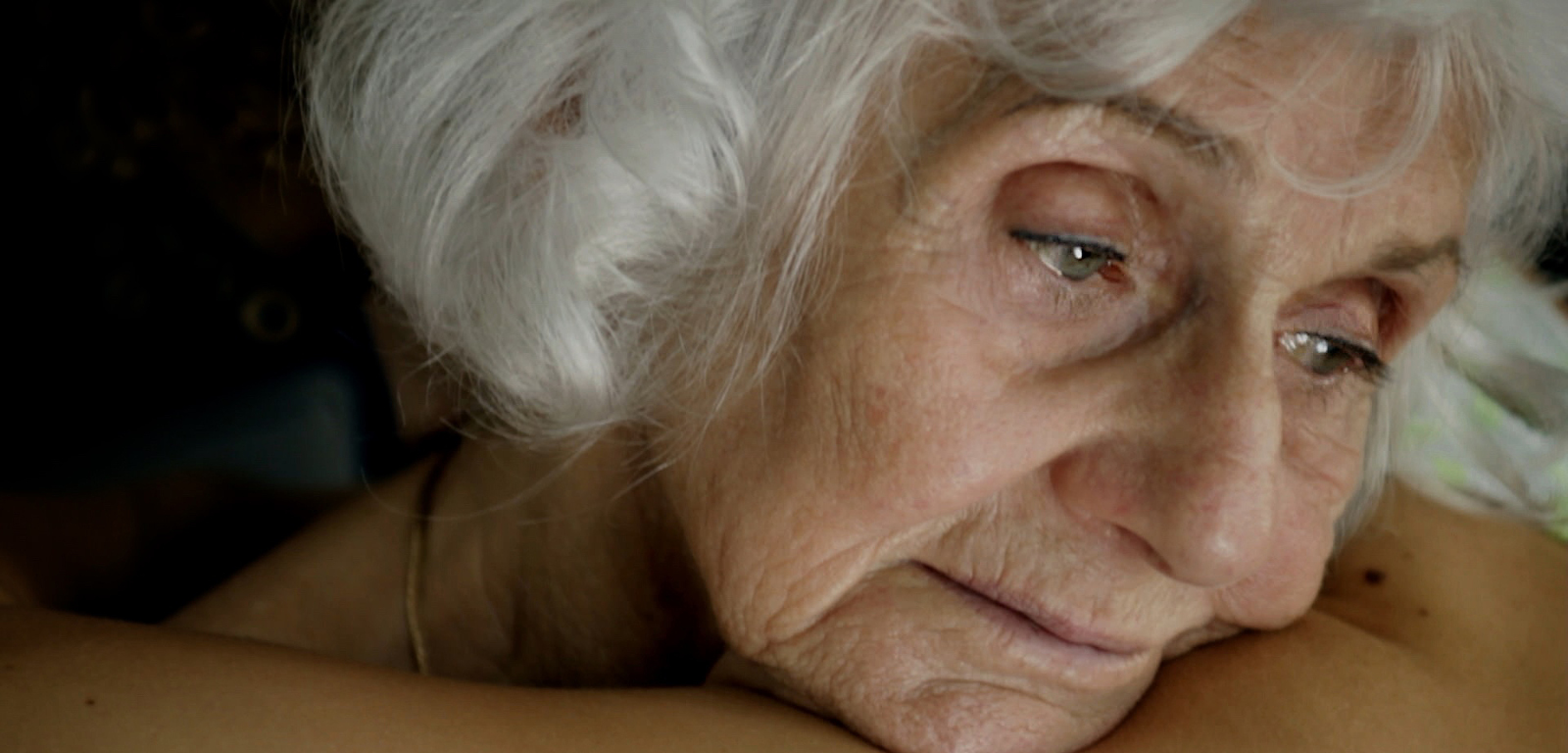
But what does ‘being old’ mean? From when on is one considered ‘old’? An important marker, which sets a line of division between young and old, has to do with the idea of decline, loss, an irreversible molecular change, but also, importantly, with the notion of unproductivity as perceived, judged, checked and regulated from within the neoliberal capitalist system. This cultural gerontological framework may be expanded to the notion of the “master narrative of decline” as problematised by Margaret M. Gullette (2004); its counter concept of “successful ageing” by John Rowe and Robert Louis Kahn (1987); and by the possible alternatives to these dominant poles of thinking about the old age: “feminist ageing” as thematized, again, by Kathleen Woodward (1999), and “ageing masculinity” by Tony Tracy and Michaela Schrage-Früh (2023), among others. These nuances have been adequately captured by Lawton’s model of “person-environment fit” (1989) which highlights how “a balance between environmental demands and personal skills is necessary for one to feel competent and be judged as competent by others,” with “environments grow[ing] increasingly important as people age, serving to facilitate autonomy and well-being or, alternatively, placing barriers between individuals and their competent execution of daily life” (Baltes and Carstensen 1999, 212). As a matter of fact, all of the films included in this edition of the _UNDERSCORE program may be seen as actualising the “person-environment fit model” while depicting ageing women with the tools of Eastern European Cinema: see the ‘grandmotherly’ woman who struggles with the loneliness of her environment in the Latvian stop-motion animation ALL MY FRIENDS ARE DEAD; the mothers who overstep their bourgeois class boundaries in Romanian CHILD’S POSE or Georgian SCARY MOTHER; or the daughter who ventures into sex clubs in Romanian TOUCH ME NOT, all while searching for “the environment” that fits her post-menopause “person”.
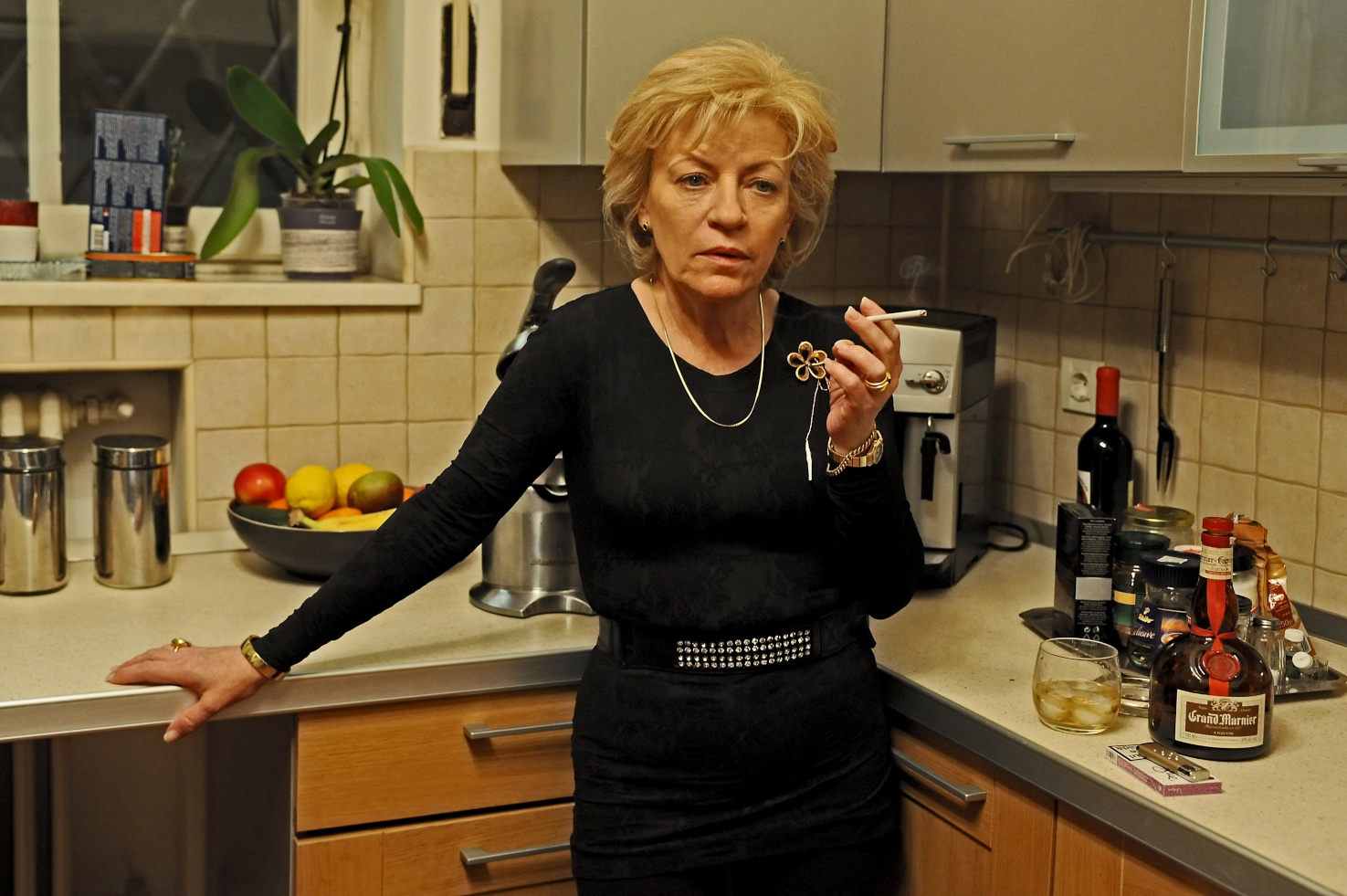
This _UNDERSCORE selection focuses on gendered possibilities of action hitherto biologically open to those with female sexual, reproductive organs; emphasizing what Kathleen Woodward, citing Nancy Chodorow, so beautifully describes in terms of the “vertical relation between women” (Woodward 1995, 87), being born into successive generations; and pointing to the insights that Eastern European, often small national cinemas – like the Bulgarian, the Georgian, the Hungarian, the Latvian, the Macedonian, the Romanian, or Serbian ones represented in the screening program – might add to the panorama. The generational process of granddaughters, daughters and grandmothers is far from being represented as an idyllic interlinking. As a matter of fact, a colourful palette opens up and our suggestion has been to describe and theorize it from that element of the chain that we may name the ageing, or old(er) adult woman, in her connection with the previous two generations: be that an explicit, biological or genetic lineage; or else a symbolic, adopted connection of intellectual relatedness; and finally, case(s) of the grandmother figure’s lack or erasure figuratively represented as what may be described in terms of ‘mad rebels’ or ‘intellectual conundrums’.
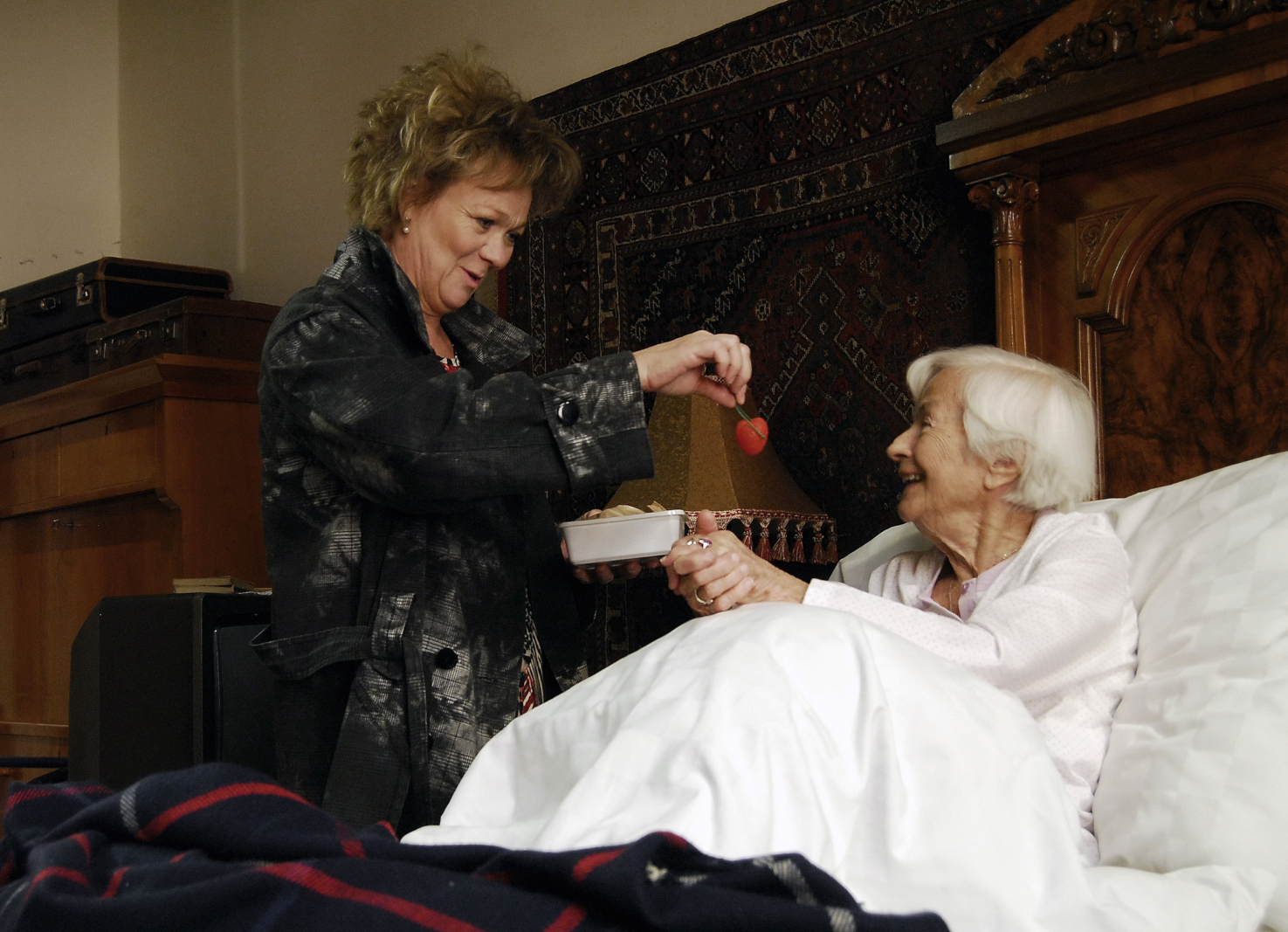
According to their positioning in time, the protagonists of Ageing Women in 21st Century Eastern European Film are entering middle age, or have passed to the second, non-reproductive part of the female life trajectory, and their complex, above-described linkages to actual, hypothetical, imaginary or symbolical offspring constitute a powerful method by which to represent female existence modulated by the ageing process. Rebellious and heroic, these female characters are therefore united also thanks to their bordering on the menopausal 50 as for their age. Marginalised from a social perspective, they often earn little, or do not even have regular personal income, their status is diminished, and their recognition might come from the audience of these films, but they evidently do not get the diegetic world’s attention and approval – as a matter of fact, the opposite is the case. In extreme cases, they are stigmatized, rejected, laughed at by those who enter into socially mediated contacts with them, making us therefore face the possible and complex consequences of women living longer than ever before, with their ageing selves and bodies slowly transferring into chronological and statistical aging after 65, a phenomenon that is happening at a bigger scale than ever before in human history.

Thanks to the outer signifiers described above, one can speak about the pervasive influence of the menopausal 50 years of age in a context theorised as the “Global East” – “too rich to be a proper part of the South, but too poor to be a part of the North . . . too powerful to be periphery, but too weak to be the centre” (Müller 2020, 735-73) – and which exposes a real-world social phenomenon. Namely, how 21st-century female existence is being split into two distinct, and even equal phases, given the growth of human lifespan – one important factor in contemporary demographic ageing. The showcased ‘Global Eastern’ heroines’ biological, functional and psychological age-constructions are impacted by their individual, or collectively experienced hardships, while social and cultural age-assignments by their surroundings are in great opposition to their devised solutions to ageing as women. Polish 2018 Nobel laureate Olga Tokarczuk’s fascinating, ageing female eco-warrior protagonist in her 2007 ecological noir novel, Drive Your Plow Over the Bones of the Dead, should be mentioned here as a literary pre-image, too. The English teacher retiring to the materially deprived yet idyllic mountain region on the Polish-Czech border zone, and the mystical yet fully down-to-earth campaign she leads against the male political elite killing the animals in aggressive hunting parties, was adapted to the screen by Agnieszka Holland in the 2018 SPOOR. Holland’ s film synthesizes all the described elements of (post-)menopausal ageing, which further engenders eco-activism within the Anthropocene framework.
Back in her 2003 article, Woodward urged us “to change the affect script for older people in our culture,” adding that to do so, our greatest opportunity lies in “telling stories” (2003, 64). More than 20 years later, our selection shall reflect on how this mission is addressed and carried out in the contemporary cinemas of the “Other Europe” (Iordanova 2003), offering a special focus on ageing femininities – both on-screen and off-screen. We believe that narrative films translate complex socio-political issues into memorable experiences. They help shape the perception of audiences in terms of what is deemed relevant and representable. We are convinced that audiovisual narratives, like the ones presented in our film programme, can engage the audiences, which cut across differences of race, class and gender, and create a needed forum for inter-generational interaction and exchange.
Baltes, Margaret M., and Laura L. Carstensen. 1999. “Social-psychological Theories and Their Applications to Aging: From Individual to Collective.” In Handbook of Theories of Aging, edited by Vern L. Bengtson and Richard Settersten. Springer Publishing Company.
Dolan, Josephine. 2017. Contemporary Cinema and ‘Old Age’: Gender and the Silvering of Stardom. Palgrave Macmillan.
Eurostat. 2025. “Mortality and life expectancy statistics.” Last modified August 14, 2025. https://ec.europa.eu/eurostat/statistics-explained/SEPDF/cache/1274.pdf .
Gullette, Margaret Morganroth. 2004. Aged by Culture. University of Chicago Press.
Iordanova, Dina. 2003. Cinema of the Other Europe: The Industry and Artistry of East Central European Film. Wallflower Press.
Jermyn, Deborah. 2014. “‘The (un-Botoxed) Face of a Hollywood Revolution’: Meryl Streep and the ‘Greying’ of Mainstream Cinema.” In Ageing, Popular Culture and Contemporary Feminism, edited by Imelda Whelehan and Joel Gwynne. Palgrave Macmillan.
Lawton, M. Powell. 1989. “Environmental Proactivity and Affect in Older People.” In The Social Psychology of Aging, edited by Shirlynn Spacapan and Stuart Oskamp. Sage Publications.
Müller, Martin. 2020. “In Search of the Global East: Thinking between North and South”. Geopolitics 25 (3): 734–55. DOI: 10.1080/14650045.2018.1477757.
Pinkus, David and Nina Ruer. 2025. “The demographic divide: inequalities in ageing across the European Union.” Policy Brief 13: 1–22. https://www.bruegel.org/sites/default/files/2025-03/PB%2013%202025.pdf.
Rowe, John W. and Robert L. Kahn. 1987. “Human aging: usual and successful.” Science 237 (4811): 143–49. http://www.jstor.org/stable/1699814.
Tracy, Tony, and Michaela Schrage-Früh, eds. 2023. Ageing Masculinities in Contemporary European and Anglophone Cinema. Routledge.
United Nations. n.d. “Ageing.” https://www.un.org/en/global-issues/ageing.
Virginás, Andrea. 2025. “Empowering Archetypes: Middle-Aged ‘Eco-Warrior’ Women in Small National Ecocinematic Landscapes.” Ekphrasis: Images, Cinema, Theory, Media 33 (1): 85–102. DOI: 10.24193/ekphrasis.33.6.
Woodward, Kathleen. 1995. “Tribute to the Older Woman: Psychoanalysis, Feminism, and Ageism.” In Images of Aging: Cultural Representations of Later Life, edited by Mike Featherstone and Andrew Wernick. Routledge.
Woodward, Kathleen. 1999. Figuring Age: Women, Bodies, Generations. Indiana University Press.
Woodward, Kathleen. 2003. “Against Wisdom: The Social Politics of Anger and Aging.” Journal of Aging Studies 17 (1): 55–67. https://doi.org/10.1016/S0890-4065(02)00090-7.
Woodward, Kathleen. 2006. “Performing Age, Performing Gender.” NWSA Journal 18 (1): 162–189. https://muse.jhu.edu/article/195231.
Filmography/ Films of the _UNDERSCORE Programme “Ageing Women in 21st Century Eastern European Film”
ALL MY FRIENDS ARE DEAD (Nils Skapans and Anna Zaca, 2019)
BLAGA’S LESSONS (Stephan Komandarev, 2023)
CHILD’S POSE (Călin Peter Netzer, 2013)
HONEYLAND (Tamara Kotevska and Ljubomir Stefanov, 2019)
LANDSCAPES OF RESISTANCE (Marta Popivoda, 2021)
MOM AND OTHER LOONIES IN THE FAMILY (Ibolya Fekete, 2015)
SCARY MOTHER (Ana Urushadze, 2017)
SPOOR (Agnieszka Holland, 2017)
THE ECLIPSE (Natasa Urban, 2022)
THE EUPHORIA OF BEING (Réka Szabó, 2019)
THE GATEWAY (Volodymyr Tykhyy, 2017)
TOUCH ME NOT (Adina Pintilie, 2018)
Partners:

AGE-C: Ageing and Gender in European Cinema
AGE-C: Ageing and Gender in European Cinema
The Ageing Women in 21st Century Eastern European Film _UNDERSCORE Program is organized in collaboration with the research project AGE-C: Ageing and Gender in European Cinema, funded by the Volkswagen Foundation and active in the period 2023-2027, with Dr. Vinzenz Hediger (Goethe-Universität, Frankfurt am Main) as the project’s leader. The main objective of the cooperating entity is formulated as follows: “The AGE-C project aims to establish cultural gerontology as a key approach in film studies. We focus on how cinematic representations of gender shape notions of old age and well-being across Europe.” The essay has been written by the curatorial team of film scholars Dr. Asja Makarević (Goethe-Universität, Frankfurt am Main), Drd. Boglárka Angéla Farkas (Babeș-Bolyai University, Cluj-Napoca) and Dr. Andrea Virginás (Babeș-Bolyai University, Cluj-Napoca). Visuals by Drd. Rebeka Hatházi (Babeș-Bolyai University, Cluj-Napoca).